This post contains affiliate links. Please read our disclosure policy.
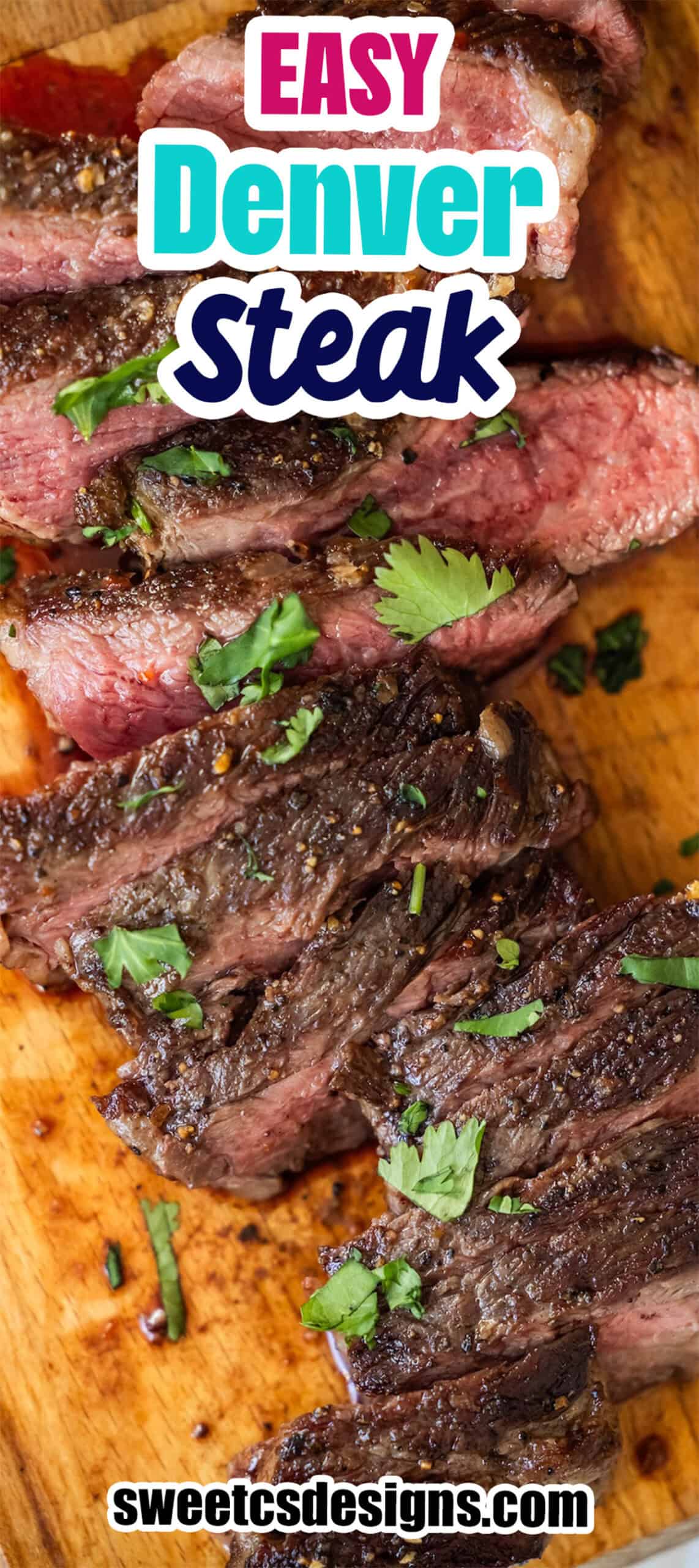
Denver Steak Might Be the Best Steak You’re Not Buying: If you love a good steak but don’t love the price tag, Denver Steak is going to be your new favorite cut! It’s incredibly flavorful, beautifully marbled, and surprisingly tender, especially when quickly seared in a hot pan.
This simple cast iron steak method lets the beef shine, proving you don’t need fancy techniques or expensive cuts to make a great steak at home! Denver Steak is often a fraction of the pricetag of a ribeye – with the same great meaty flavor!


Don’t want all the extras in a recipe post? We provide a skip to recipe button in the top left corner, as well as a clickable table of contents, just below, to help make this page easier to navigate.
At Sweet C’s, I add lots of tips in all of my recipes – because I am a home cook without any formal training, and I find I am more confident making dishes when I understand why it works, and what each ingredient means to the flavor of a recipe. My goal is for even the most beginner home cook to feel empowered in the kitchen.
How to Pan Sear a Denver Steak
This Denver steak recipe keeps things simple with a generous seasoning and a quick pan sear. Cooked in a hot skillet for just a few minutes per side, the steak develops a flavorful crust while staying juicy and tender inside.
Cast Iron Denver Steak Ingredients
To make this steak, we will need the following ingredients:
- Denver steak – A well-marbled cut from the chuck that’s surprisingly tender and rich, delivering deep beefy flavor when cooked hot and fast.
- Tallow – Provides a high smoke point and adds extra beefy richness, helping create a deeply browned, flavorful crust.
- Salt and pepper – Simple seasoning that enhances the natural flavor of the steak and helps form a well-seasoned exterior.
- Butter (for basting at the end of cooking) – Melted over the steak during the final moments to add richness, moisture, and a glossy finish.
- Butter (for serving) – A final pat melts over the rested steak, adding indulgent flavor and extra juiciness.
- Chives or cilantro (for serving) – Fresh herbs add brightness and color, balancing the richness of the steak.
Steps to Cook a Tender Denver Steak
Once you have gathered your ingredients, we will use the following method:
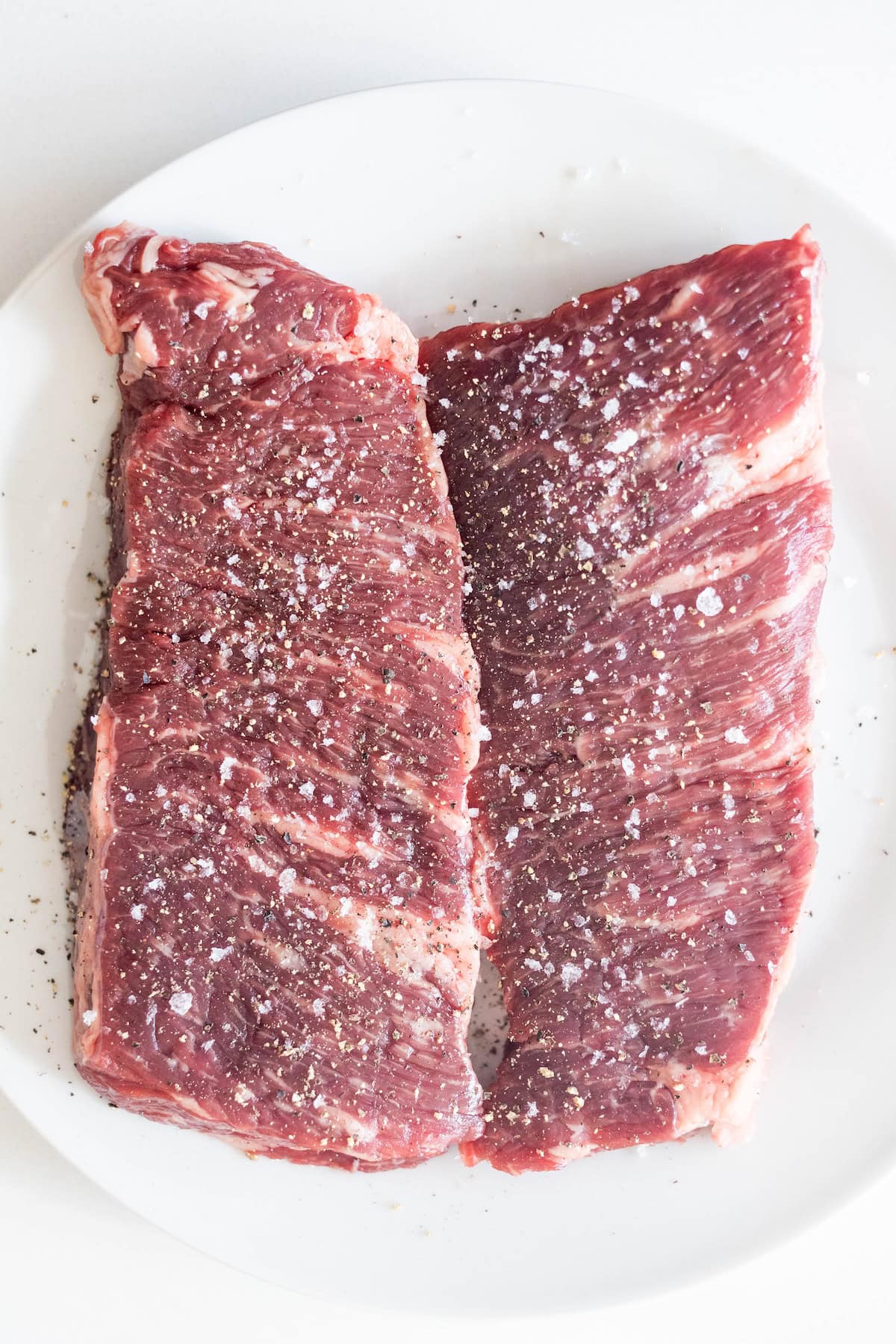
Season
Season generously with salt and pepper.
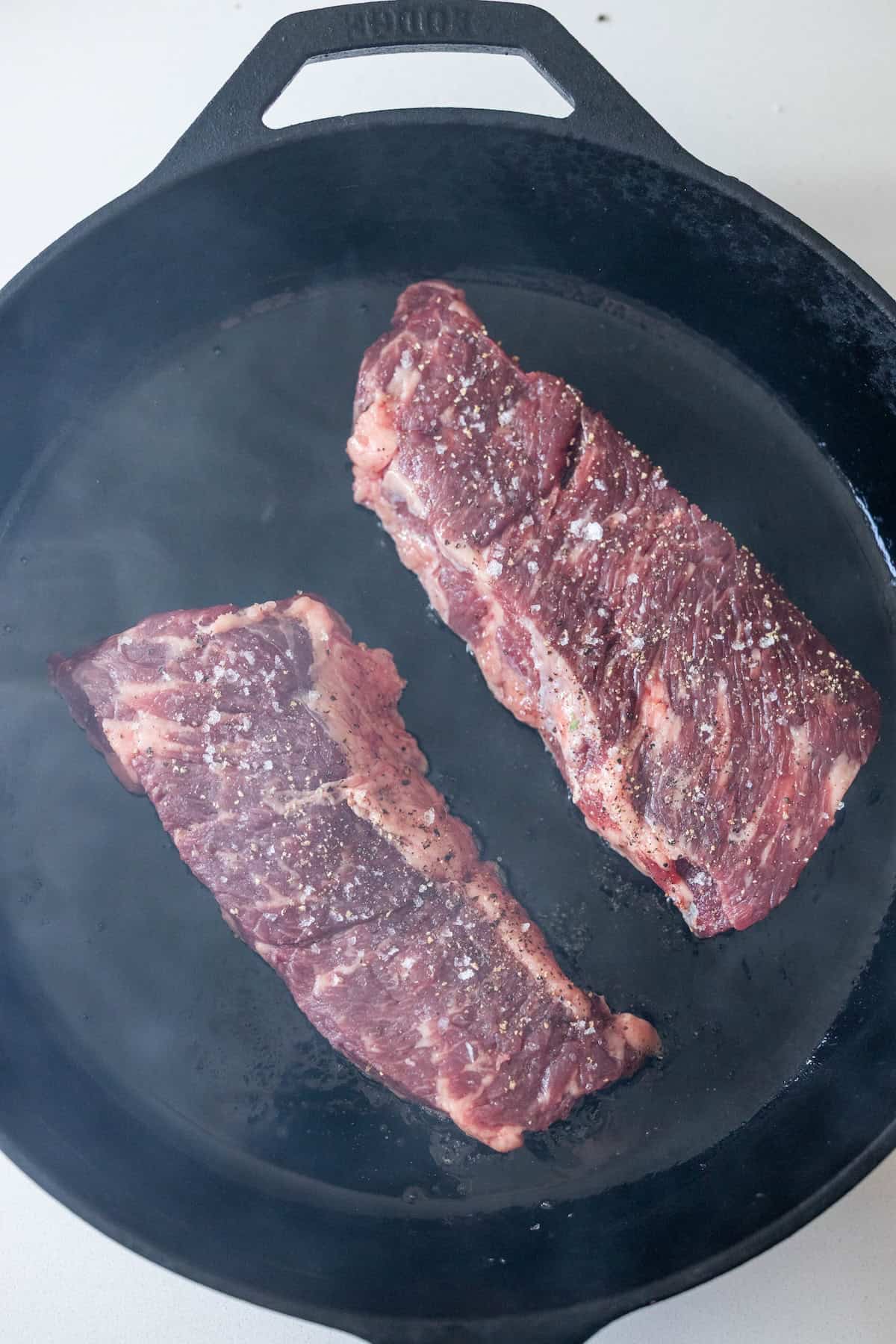
Sear
Sear both sides in a scorching hot pan on very high heat for 3-4 minutes per side.
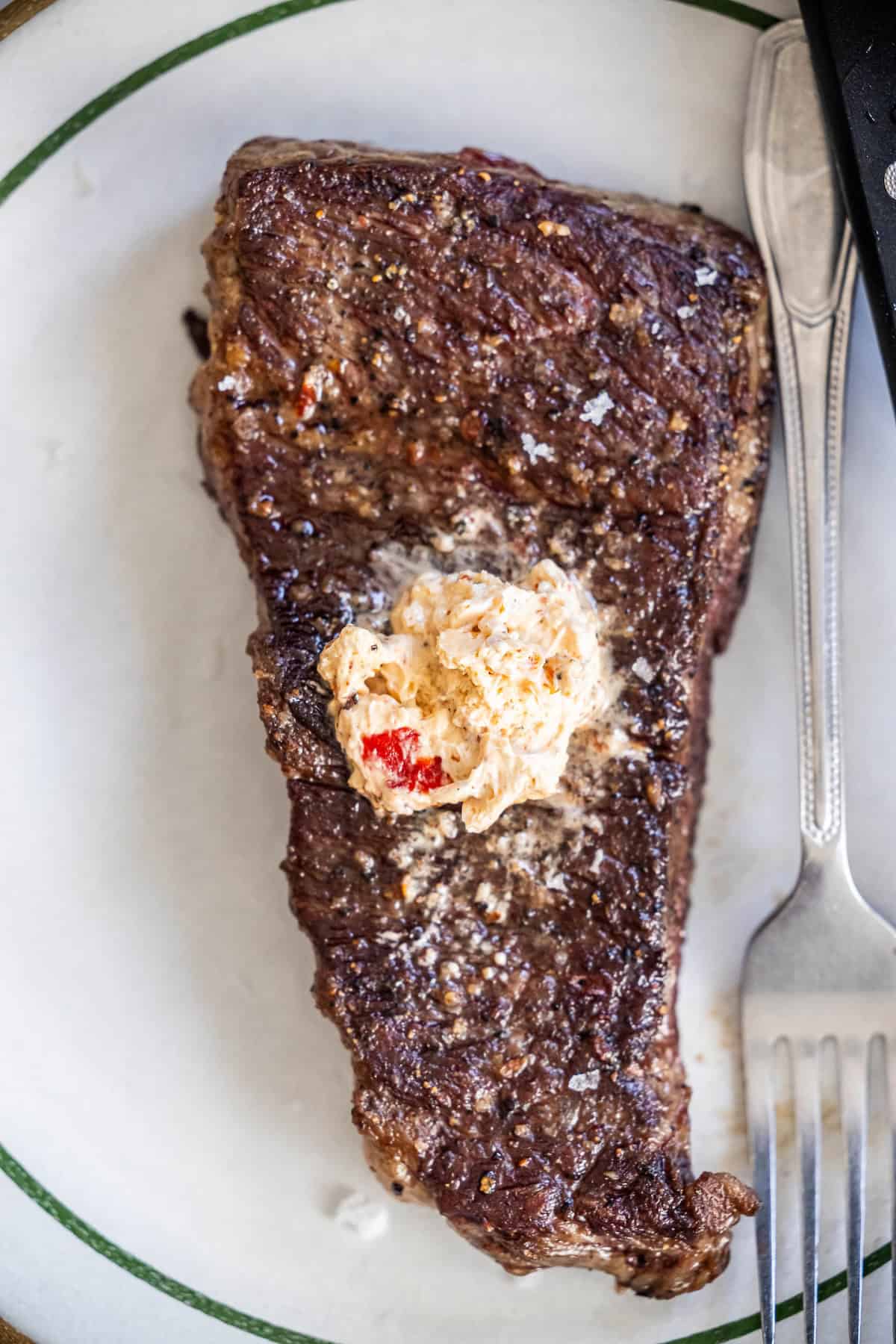
Rest
Add butter and let rest at least 10 minutes.
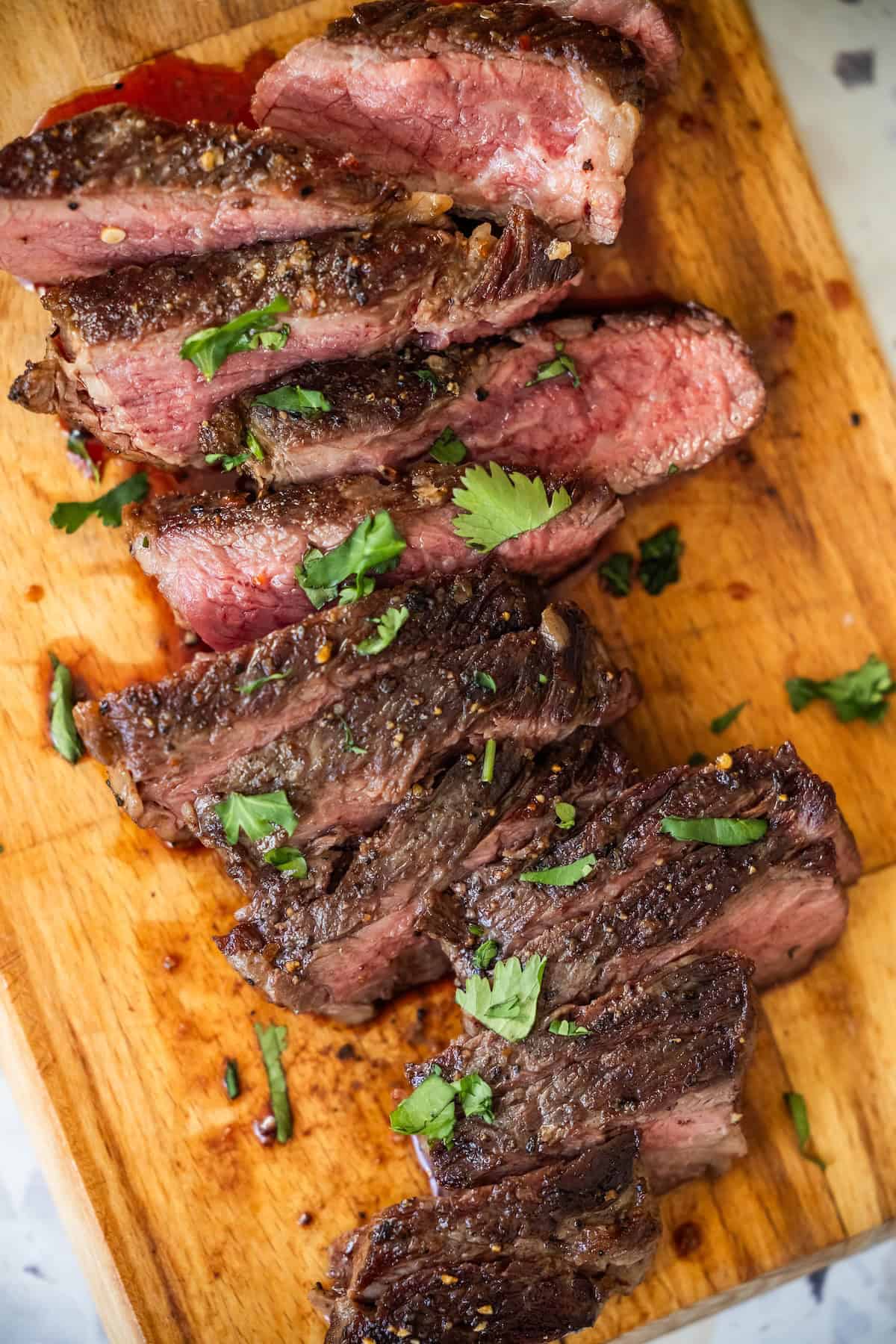
Serve
Slice against the grain and garnish with cilantro and chives as desired.
How to Cook Denver Steak So It’s Juicy and Tender Every Time
Bring the steak to room temperature before cooking so it sears evenly and stays tender.
Season simply and generously — salt and pepper are enough to let the beefy flavor shine.
Use a very hot pan to get a good crust quickly without overcooking the inside.
Don’t overcrowd the pan; cook one or two steaks at a time so they sear instead of steam.
Flip once and let the steak develop a crust before turning.
Rest the steak for 5 minutes after cooking so the juices redistribute and stay in the meat.
Slice against the grain for the most tender bite.
My Pro Tip
Why its called a Denver Steak
Denver steaks are a relatively new cut of meat on the market – its cut from chuck muscle, instead of fat, so its much cheaper.
Temperatures for Denver Steak
Temperatures are for removal from heat; steak will rise ~5°F while resting.
- Rare: 120–125°F
- Medium-Rare: 130–135°F
- Medium: 140–145°F
- Medium-Well: 150–155°F
- Well-Done: 160°F+


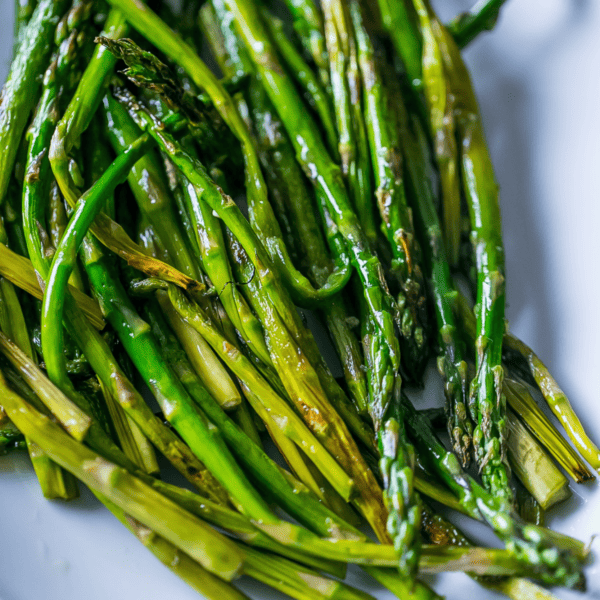
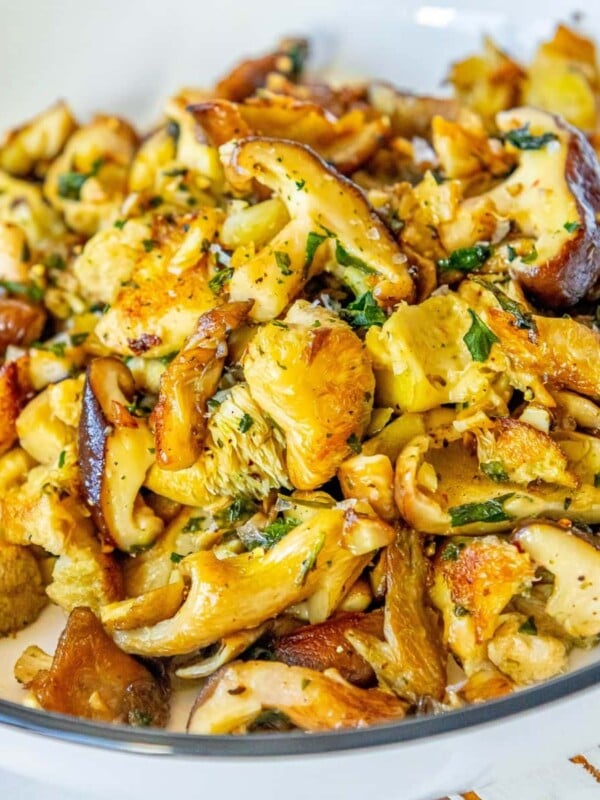
What to Serve with Denver Steak


Denver Steak
Ingredients
- 1 large Denver steak, about 1–1¼ pounds, or 2 smaller Denver steaks
- 1 tablespoon beef tallow
- Salt and freshly cracked black pepper, to taste
- 2 tablespoons butter, for basting
- 1 –2 tablespoons butter, for serving
- Chopped chives or cilantro, for garnish
Instructions
- Remove the Denver steak from the refrigerator 30 minutes before cooking to bring it closer to room temperature. Pat dry with paper towels and season generously on both sides with salt and pepper.
- Heat a heavy skillet (preferably cast iron) over medium-high heat until very hot. Add the tallow and let it melt and shimmer.
- Place the steak in the pan and sear undisturbed for 3–4 minutes, until a deep golden-brown crust forms. Flip and cook another 3–4 minutes.
- Reduce heat to medium. Add the butter to the pan and baste the steak continuously for 1–2 minutes, spooning the melted butter over the top.
- Check the internal temperature and cook to your desired doneness (see temperatures below).
- Remove the steak from the pan and let it rest for 5 minutes. Top with butter for serving and finish with chopped chives or cilantro.
- Slice against the grain and serve immediately.
Video
Notes
- Best cooking method: A hot cast iron skillet or grill works best to create a deep crust while keeping the inside juicy.
- Don’t overcook: Denver steak is best enjoyed medium-rare to medium. Cooking past this can make the steak firmer and less juicy.
- Rest before slicing: Let the steak rest for at least 5 minutes after cooking so the juices redistribute evenly.
- Slice against the grain: Always cut Denver steak against the grain to ensure maximum tenderness.
- Butter matters: Basting with butter at the end of cooking adds richness without burning, while a final pat of butter boosts flavor just before serving.
Nutrition
Nutrition information is automatically calculated, so should only be used as an approximation.
FAQs: How to Cook Denver Steak for Maximum Flavor
Denver steak is a cut from the chuck that’s surprisingly tender and well-marbled when cooked properly.
Yes – when pan-seared or grilled quickly and sliced against the grain, Denver steak is very tender.
Quick, high-heat methods like pan-searing or grilling work best to keep it juicy and flavorful.
Medium-rare to medium (130–140°F) is ideal for the best texture.
Yes, Denver steak grills beautifully over high heat for just a few minutes per side.
No — both come from the chuck, but Denver steak is a different muscle and has a slightly beefier texture.
Because it comes from the chuck, it’s less well-known and typically costs less than premium cuts.