This post contains affiliate links. Please read our disclosure policy.
The first time I made avgolemono sauce, I immediately started thinking about what else I could pour it over.
I’m not Greek – not even a little bit (though my husband IS in seminary to be a Greek priest, does that count?) – but avgolemono has this way of making everything taste elegant. It’s silky and lemony and creamy without a drop of dairy, and it takes about 15 minutes to make once you understand the technique. The first thing I drizzled it over was chicken, which is the traditional pairing (think Greek Avgolemono Soup.) Next up was salmon – and that’s the version I keep coming back to.
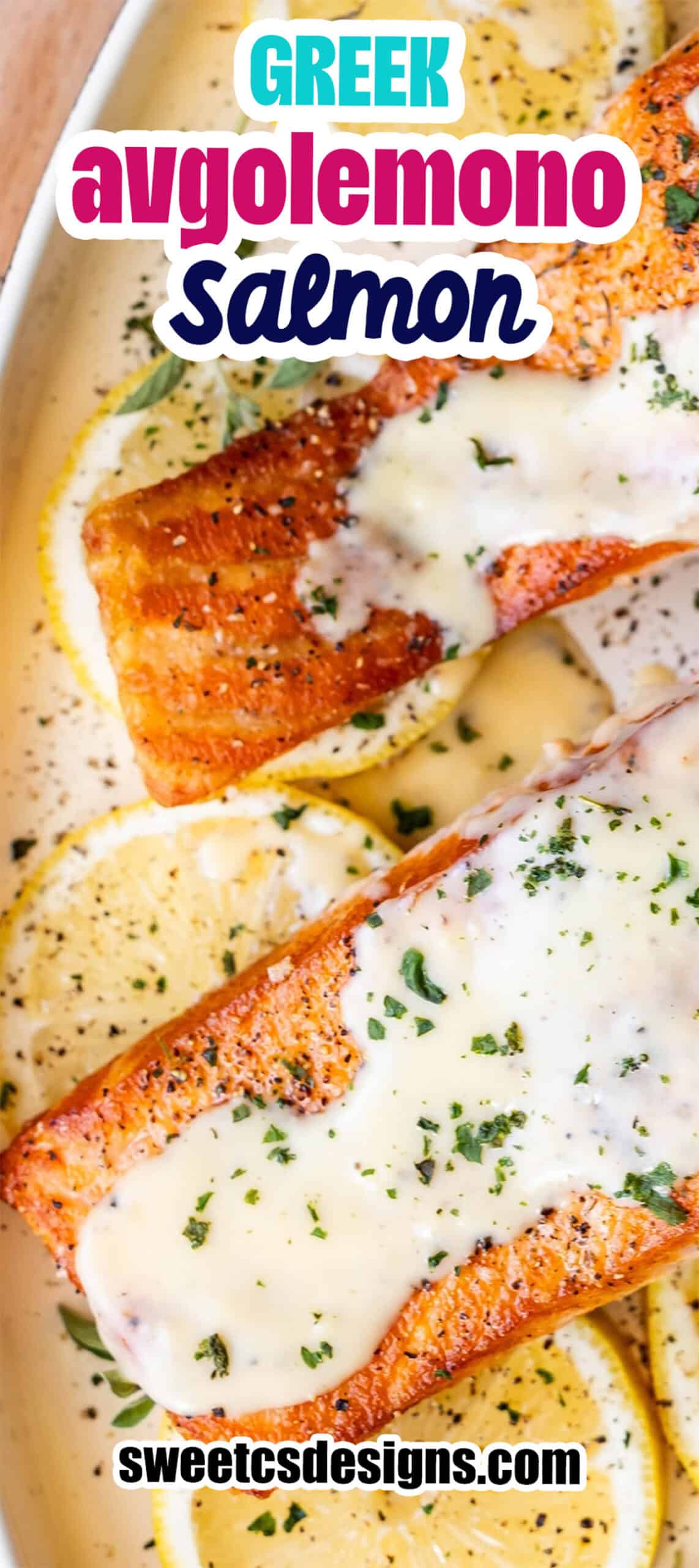
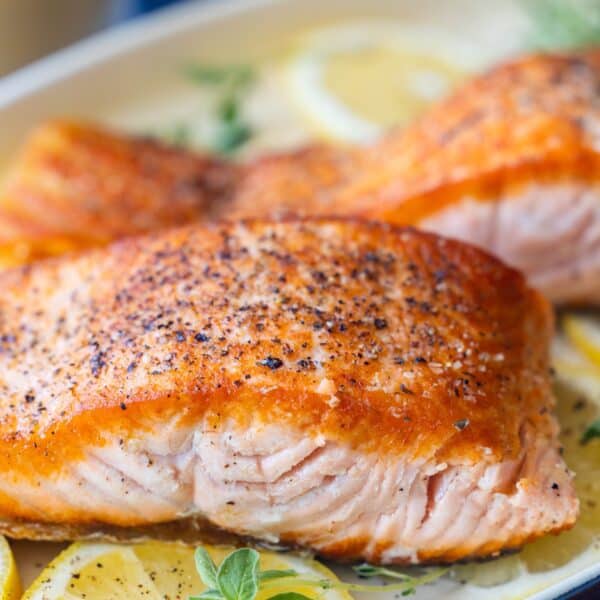
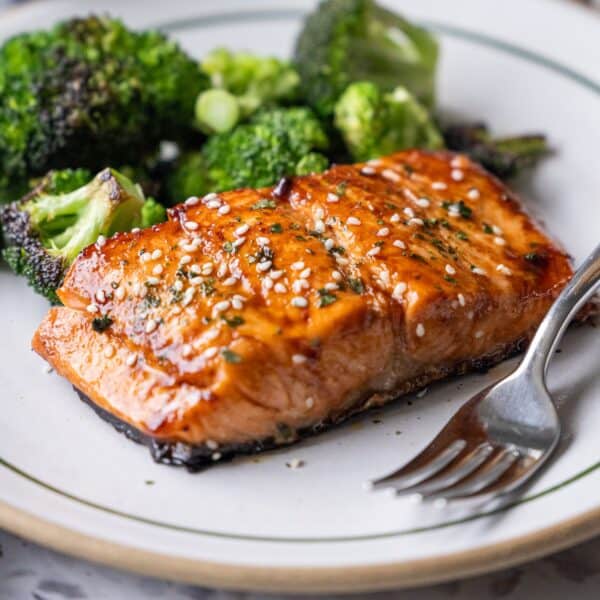
Pan fried salmon has crispy skin, a buttery-rich texture, and a savory depth from cooking in a hot pan with garlic. Avgolemono sauce is bright, lemony, and velvety-smooth. Together they taste like something that took much more effort than it did – and the whole dinner comes together in under 30 minutes!
This is the recipe I make when I want to impress someone on a weeknight!


Don’t want all the extras in a recipe post? We provide a skip to recipe button in the top left corner, as well as a clickable table of contents, just below, to help make this page easier to navigate.
At Sweet C’s, I add lots of tips in all of my recipes – because I am a home cook without any formal training, and I find I am more confident making dishes when I understand why it works, and what each ingredient means to the flavor of a recipe. My goal is for even the most beginner home cook to feel empowered in the kitchen.
Table of Contents
Why You’ll Love This Recipe
- 30 minutes start to finish. Both components cook simultaneously and come together fast.
- Naturally dairy-free. Avgolemono gets its creaminess from eggs and broth, not cream or butter — making this a lighter, brighter sauce that doesn’t weigh the fish down.
- Restaurant quality at home. The combination of crispy salmon skin and silky lemon egg sauce is the kind of thing you’d pay $28 for at a good Mediterranean spot.
- Two recipes, one meal. Both the pan fried salmon and the avgolemono sauce are already great on their own — together they’re even better.
- No special equipment. Just a skillet, a saucepan, and a whisk.
Quick Recipe Snapshot Prep: 10 minutes | Cook: 20 minutes | Total: 30 minutes Servings: 4 Calories: ~320 per serving (salmon + sauce) Best for: Weeknight dinners, date night at home, Mediterranean-inspired meals
What Is Avgolemono Sauce?
Avgolemono (pronounced ah-vgo-LEH-moh-no) is a classic Greek sauce – and the base of the famous avgolemono chicken soup – made by whisking eggs and lemon juice, then slowly tempering them with warm broth until the mixture becomes silky and creamy. It’s rich and tangy without any dairy, which makes it one of the most versatile sauces in Mediterranean cooking.
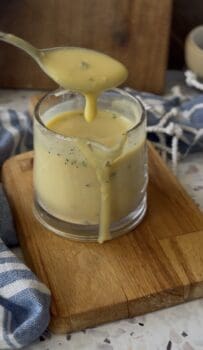
The key to avgolemono is patience. The eggs need to be added to the warm broth slowly, a little at a time, while whisking constantly – a technique called tempering. Go too fast or use broth that’s too hot and you’ll end up with scrambled eggs. Take your time and you get a sauce with a texture like a very light hollandaise: glossy, smooth, and just thick enough to coat a spoon.
For salmon specifically, I swap the traditional Greek oregano for fresh dill – it’s a better flavor match for fish and leans into the dish’s Mediterranean feel. I also use the pan drippings from the salmon (deglazed with a splash of lemon juice) to add flavor to the broth, which ties the two components together beautifully.
Avgolemono Salmon Ingredients
For the Salmon:
- 4 salmon fillets, skin-on (about 6 oz each) – skin-on fillets give you crispy, rendered skin that acts as a natural barrier keeping the flesh moist during the sear; the 6 oz size cooks through in 6–8 minutes without drying out.
- 1–2 tablespoons olive oil – gets the pan hot enough to crisp the skin before the flesh overcooks; holds a higher smoke point than butter alone, which is why you start the sear in oil and add butter later.
- Salt and freshly cracked black pepper – season generously on both sides; salt draws out surface moisture (which is why patting dry matters) and builds the base flavor that the avgolemono will amplify.
- 2 tablespoons butter – added in the last 2 minutes for basting; gives the flesh a nutty, rich finish and bridges the gap between the savory sear and the bright lemon sauce.
- 2 cloves garlic, smashed – goes into the pan with the butter; smashed (not minced) garlic releases slow, mellow flavor as it cooks in the basting butter without the sharpness that would compete with the lemon sauce.
- Lemon slices, for serving – a fresh squeeze at the table mirrors the lemon in the avgolemono and brightens the whole plate right before eating.
- Fresh dill, for serving – echoes the dill in the sauce and adds color contrast; its natural affinity for both salmon and lemon makes it the herb that ties the whole dish together visually and flavor-wise.
For the Avgolemono Sauce:
- 3 eggs + 2 egg yolks – whole eggs provide structure while the extra yolks add richness and a silkier, more coating consistency; this ratio is why avgolemono clings to the salmon instead of running off the plate.
- ¼ cup fresh lemon juice (juice of 2 large lemons – do not use bottled) – the acid that gives the sauce its signature brightness; fresh juice has a clean, floral flavor bottled lemon can’t replicate, and the difference is especially noticeable in a sauce this simple.
- 1 cup warm chicken broth or fish stock – the liquid base that gets tempered into the eggs slowly; it must be warm (not hot) – too hot and the eggs scramble instead of emulsify. Fish stock deepens the seafood flavor; chicken broth is milder and more versatile.
- Salt and black pepper, to taste – season after the sauce is fully emulsified, not before; the broth may already carry significant salt, so taste first and adjust.
- 2 tablespoons fresh dill, finely chopped (or Greek oregano for a more traditional flavor) – dill is the herb that connects the salmon to the sauce; its slightly anise-forward flavor is a natural partner for both lemon and fish, and it’s what makes this feel like one cohesive dish rather than two separate recipes on a plate.
How to Make Pan Fried Salmon with Avgolemono Sauce
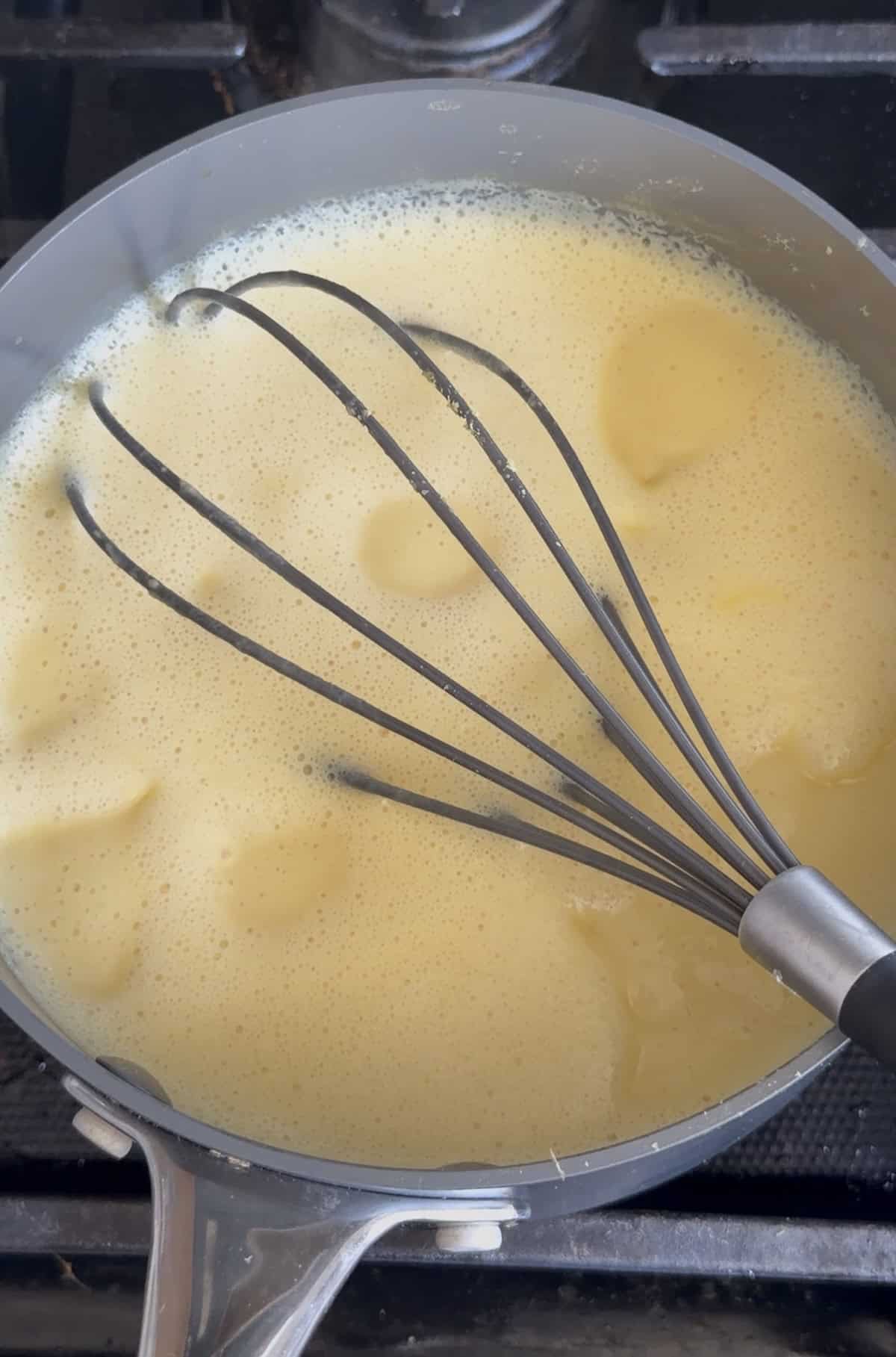
Make the Avgolemono First
Start the sauce before the salmon – it takes about 10–12 minutes and can sit over the lowest possible heat (or a double boiler) while you cook the fish.
Be sure to temper your eggs well so the sauce doesn’t curdle.
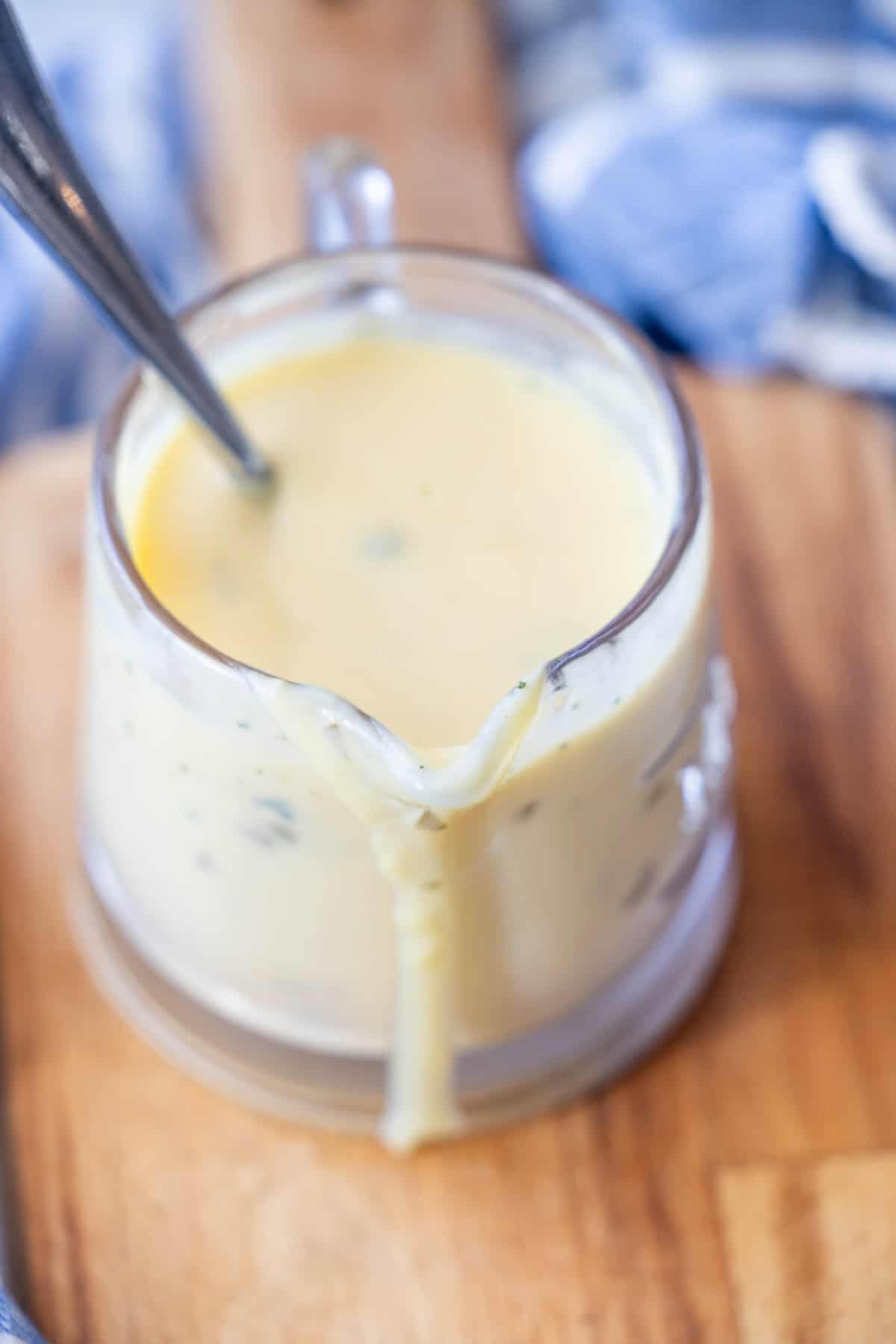
Keep Avgolemono Warm
Keep sauce on the lowest heat while cooking fish, or in a double boiler.
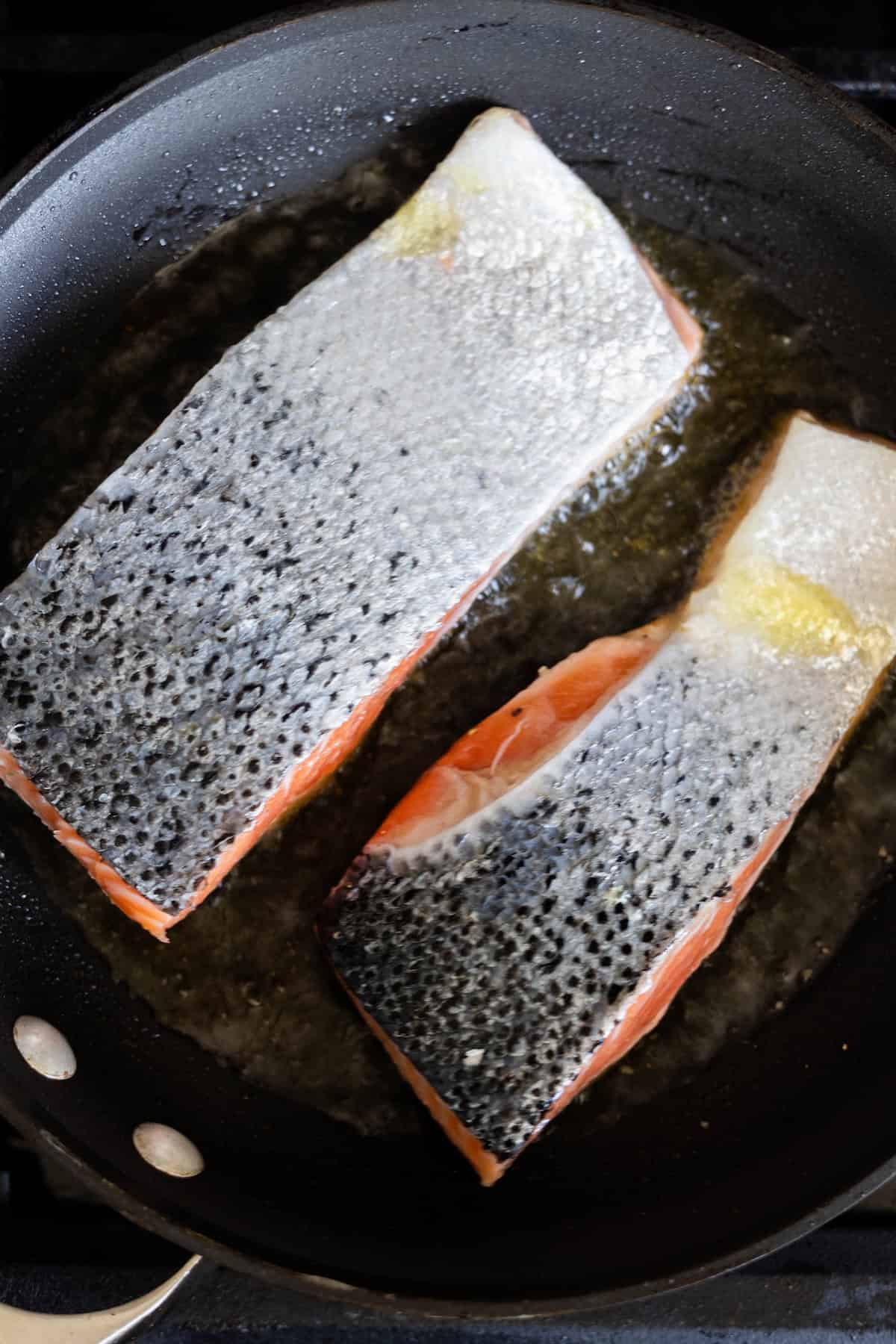
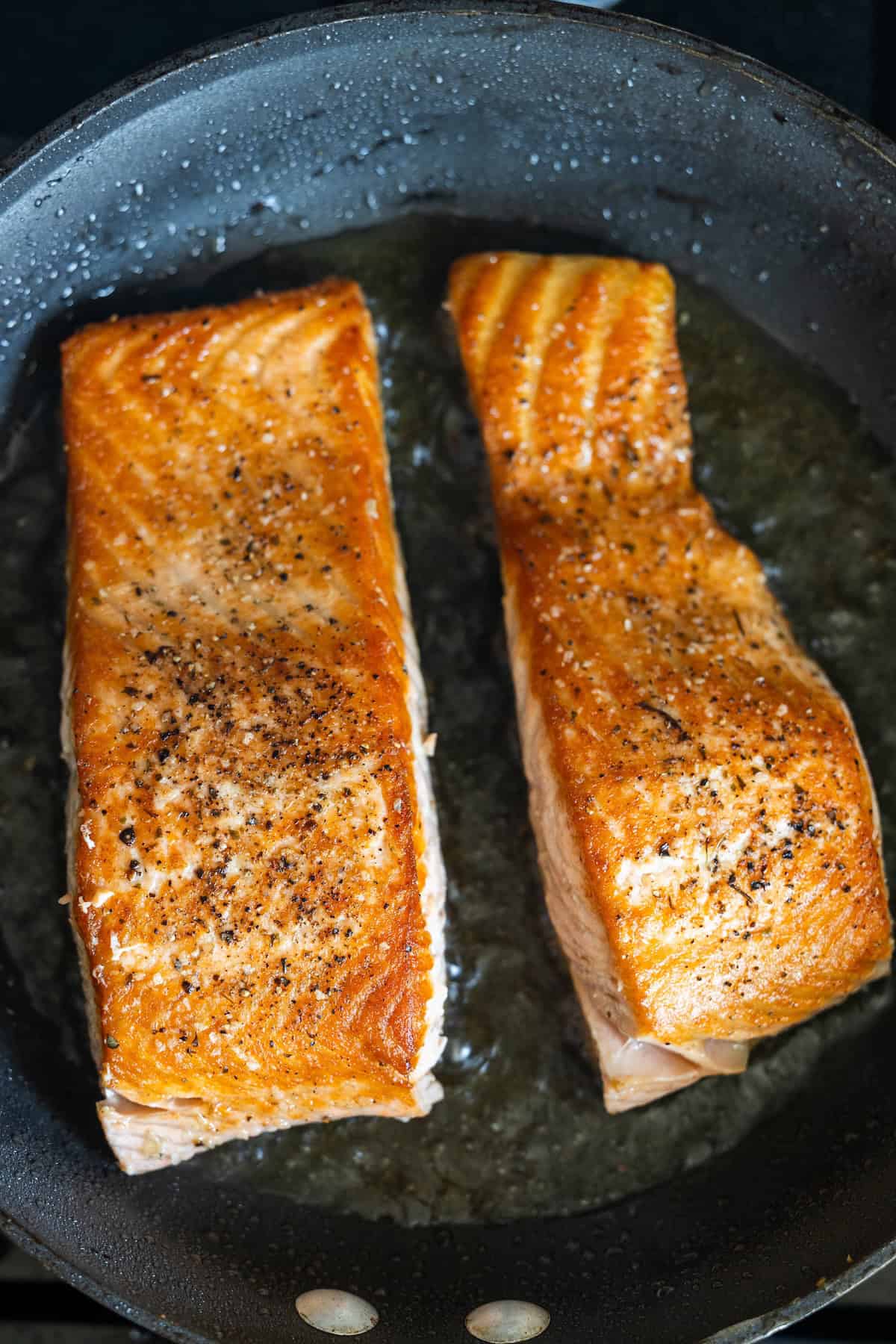
Sear Face Down
Start salmon filets by searing face down in hot oil or butter. Fish will naturally release when hot and a crust has developed, about five minutes.
Flip and Sear
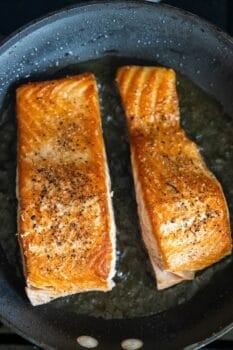
Flip the fish and sear, skin-side down until the skin is browned and crispy, about four minutes.
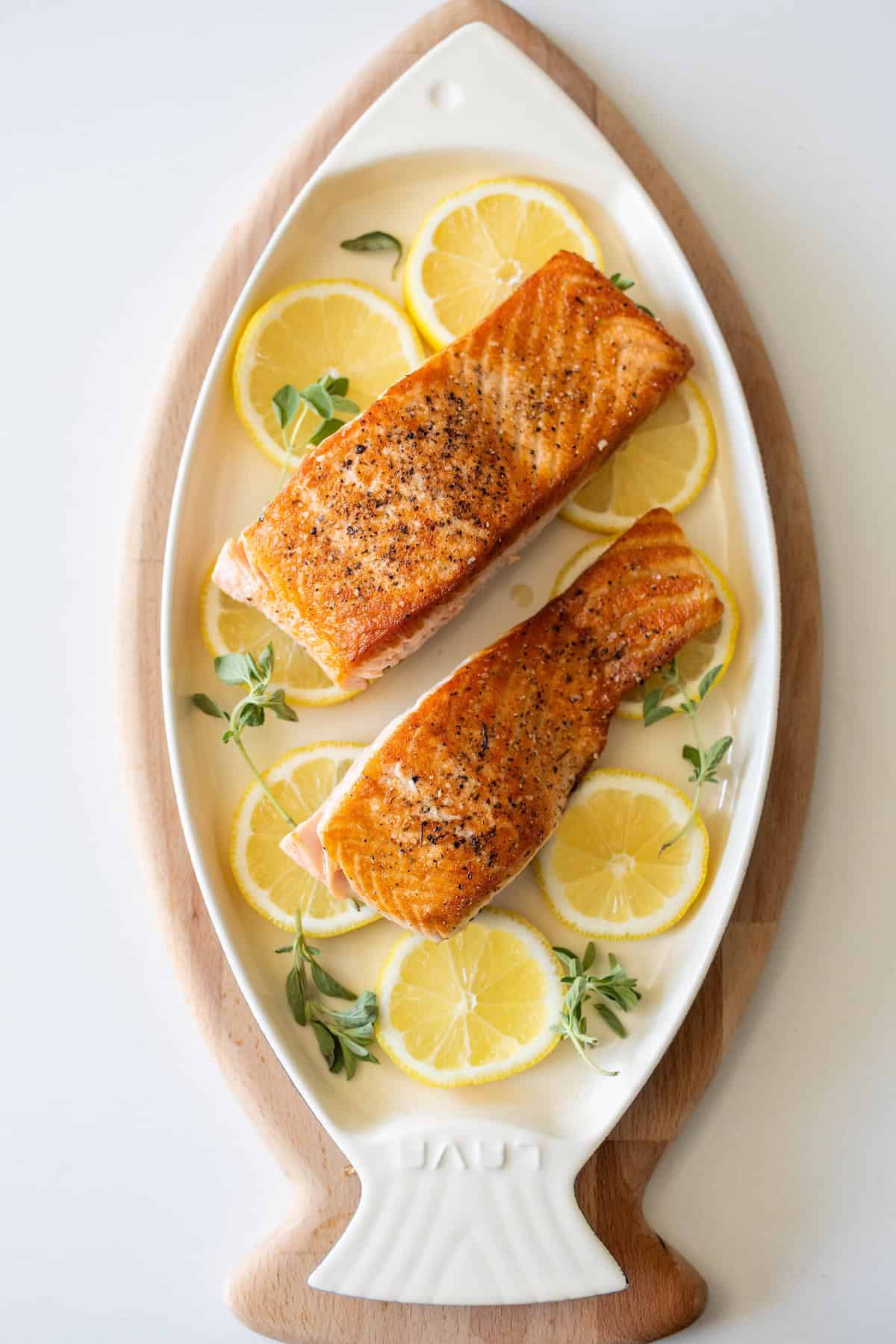
Plate
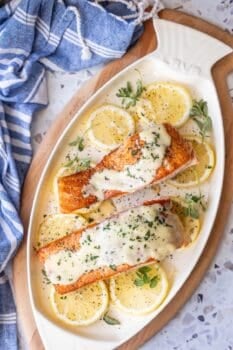
Arrange salmon on plates or a large platter. I like to plate filets with fresh herbs over medallions of lemon, then let everyone serve themselves.
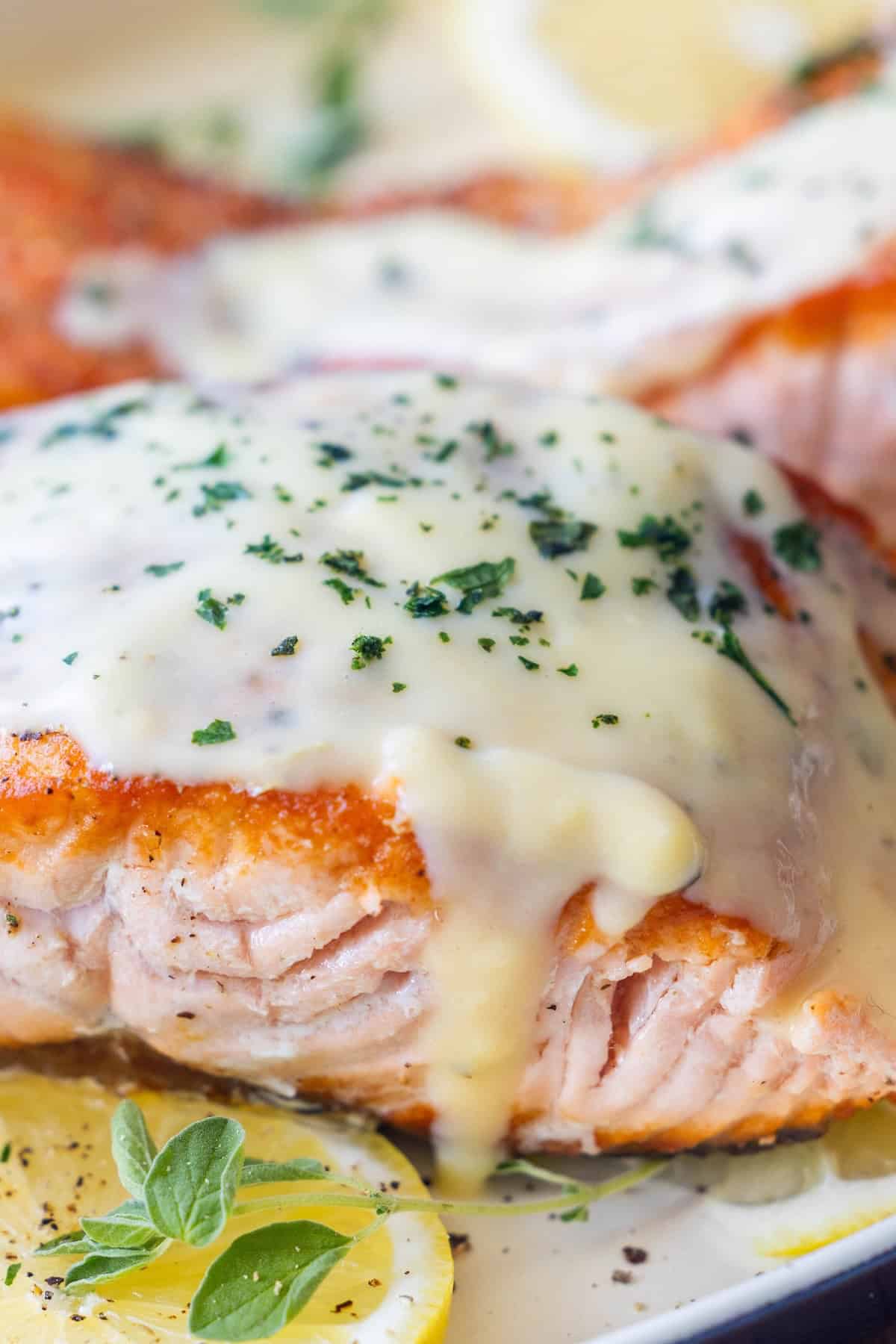
Drizzle in Sauce
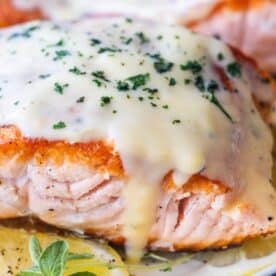
Cover salmon in sauce, top with parsley or dill, serve, and enjoy!
Pro Tips for Perfect Results
The sauce will not reheat well. Avgolemono is best made fresh and served right away. If you need to hold it for a few minutes, keep it over a double boiler on the lowest heat possible and stir occasionally. Don’t try to reheat it from cold – the eggs could curdle or the texture will break.
Don’t skip patting the salmon dry. Moisture is the enemy of crispy skin. If your salmon just came out of the fridge and is condensation-wet, pat it and then let it sit uncovered on a plate for a few minutes before cooking.
Use a heavy pan. A thin pan loses heat the moment the cold salmon hits it, which leads to steaming rather than searing. Cast iron or stainless steel holds its heat and gives you the crust you’re looking for.
Fresh lemon juice only. Bottled lemon juice will make the avgolemono taste flat and slightly metallic. The brightness of fresh lemon is what makes this sauce work.
Match the broth to your preference. Chicken broth makes a subtler, more classic avgolemono. Fish stock or clam juice intensifies the seafood flavor of the dish. Both are correct – it’s a matter of taste.
Greek Salmon Recipe Variations
Avgolemono Salmon with Capers – Stir 1 tablespoon of rinsed capers into the finished avgolemono sauce. The briny pop against the creamy lemon sauce is excellent with salmon.
Herb-Crusted Salmon with Avgolemono – Press a mix of finely chopped fresh parsley, dill, and lemon zest onto the flesh side of the salmon before cooking. Sear skin-side down as written, then flip onto the herb crust for just 1–2 minutes to keep the herbs green and bright.
Avgolemono Salmon Bowl – Serve over baked lemon rice or couscous instead of as a standalone plate. Spoon the sauce over everything – the rice absorbs it beautifully.
Salmon with Avgolemono and Roasted Asparagus – Cook a bunch of asparagus in the oven at 425°F while you make the salmon and sauce. Plate the asparagus alongside and spoon avgolemono over the whole plate. Pan fried asparagus works too.
What to Serve With Pan Fried Salmon and Avgolemono
Baked Lemon Rice – the natural pairing; the rice absorbs the avgolemono sauce perfectly
Salmon Florentine Orzo – if you want to double down on the salmon theme
Pan Fried Asparagus – cooks in the same amount of time, great textural contrast
Best Caesar Salad – crisp and simple alongside the rich sauce
Easy Baked Greek Chicken Thighs – if you’re feeding a mixed crowd and want a second protein option
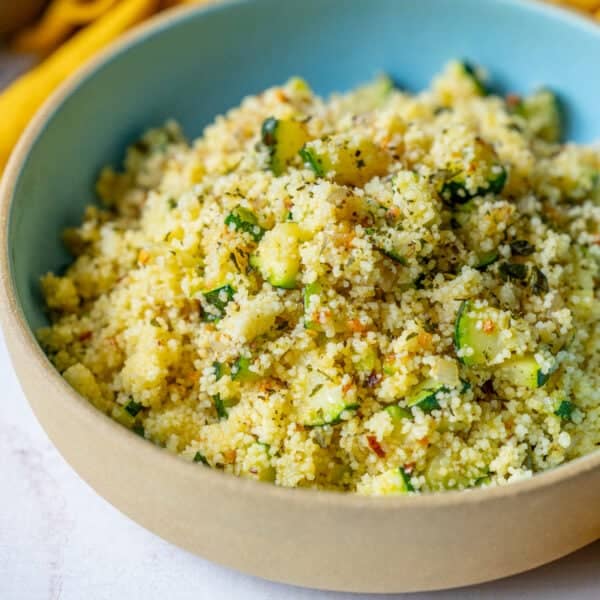
How to Make Couscous – quick, light, and perfect for soaking up the sauce
Avgolemono Salmon Storage and Reheating
Salmon: Store leftover salmon in an airtight container in the refrigerator for up to 3 days. Reheat gently in a skillet over low heat with a small splash of water or olive oil, or enjoy cold over salad.
Avgolemono sauce: Does not store well — the eggs can separate and the texture becomes grainy when refrigerated and reheated. Make only what you’ll serve at the meal. If you have leftovers, use them within a few hours and reheat very gently over a double boiler, stirring constantly, over the lowest possible heat.
Avgolemono Salmon FAQ
Yes, but you’ll lose the crispy skin element that makes pan frying worth it. If using skinless, reduce the skin-side cook time to 3-4 minutes and watch carefully – skinless salmon overcooks faster.
Avgolemono works beautifully with most firm white fish and seafood: sea bass, halibut, cod, and branzino all work well. Adjust cooking time based on thickness. For thinner fillets, reduce total cooking time to 6–8 minutes total.
The heat was too high, the broth was added too fast, or the sauce was allowed to boil. Avgolemono is unforgiving with high heat. If it curdles, there’s no saving it – the good news is it takes only 10 minutes to start fresh. Slow down the tempering step and keep the heat on low.
Not really – it’s best made fresh and served immediately. You can prep your mise en place (whisk the eggs and lemon together, warm the broth) up to an hour ahead, then complete the tempering and cooking right before serving.
The soup contains rice or orzo and is thinner — more like a brothy bisque. The sauce is thicker, more concentrated, and meant to be ladled over protein or vegetables. Same base technique, very different end result.
Yes – both the pan fried salmon and the avgolemono sauce are naturally gluten-free. Just confirm your broth is gluten-free (most are, but check the label).
More Salmon Recipes You’ll Love
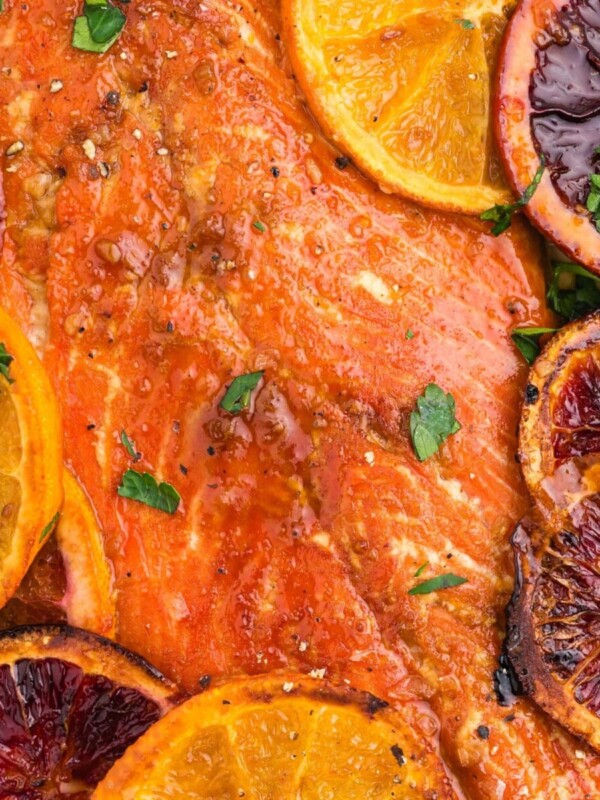
Salmon Florentine Orzo
Irish Whiskey Glazed Salmon
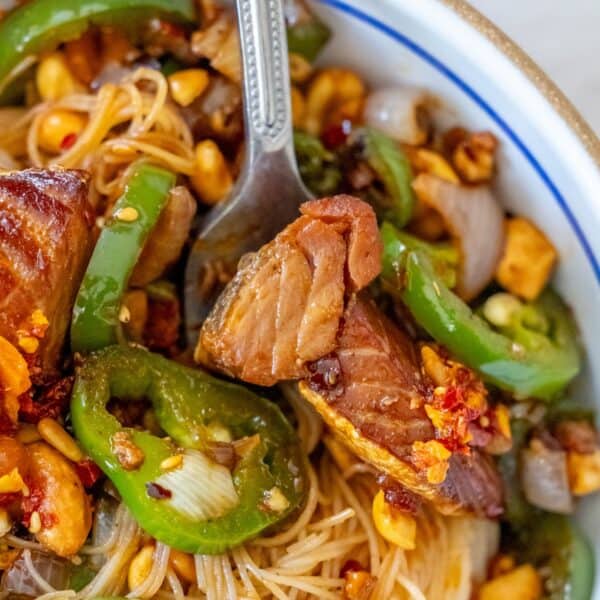
Japanese BBQ Salmon
Salmon Caesar Salad
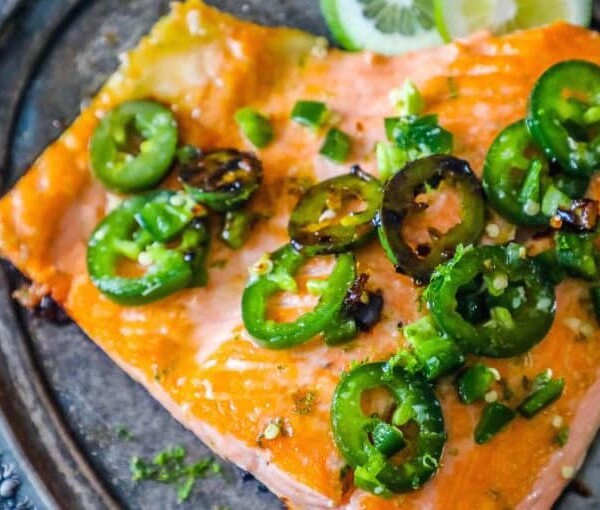
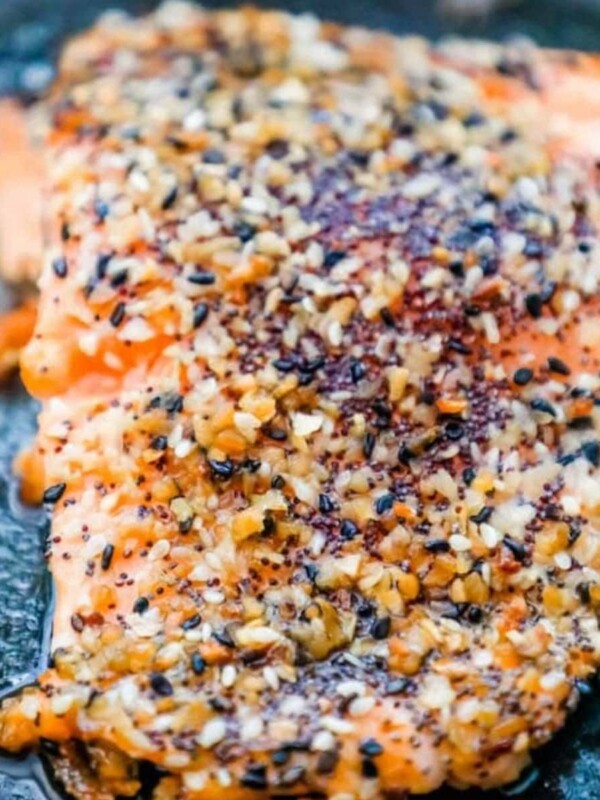
Pan Fried Salmon Filets
Avgolemono Sauce (use it on chicken, rice, or vegetables too)
If you love this easy recipe please click the stars below to give it a five star rating and leave a comment! Please also help me share on Instagram, Facebook, and Pinterest!
Share on Facebook
SharePin this now to find it later
Pin ItFollow on Instagram
Avgolemono Salmon
Ingredients
- 4 salmon fillets, skin-on (about 6 oz each)
- 1 –2 tablespoons olive oil
- Salt and freshly cracked black pepper
- 2 tablespoons butter
- 2 cloves garlic, smashed
- Lemon slices, for serving
- Fresh dill, for serving
For the Avgolemono Sauce:
- 3 eggs + 2 egg yolks
- ¼ cup fresh lemon juice, juice of 2 large lemons — do not use bottled
- 1 cup warm chicken broth or fish stock
- Salt and black pepper, to taste
- 2 tablespoons fresh dill, finely chopped (or Greek oregano for a more traditional flavor)
Instructions
Step 1: Make the Avgolemono First
- Start the sauce before the salmon – it takes about 10–12 minutes and can sit over the lowest possible heat (or a double boiler) while you cook the fish.
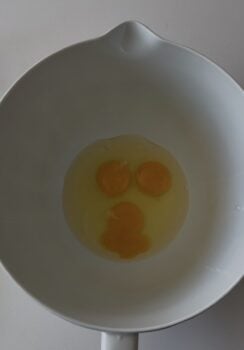
- In a medium bowl, whisk together the eggs, yolks, and fresh lemon juice until smooth and slightly frothy – about 1 minute of whisking. The mixture should look pale yellow and airy.
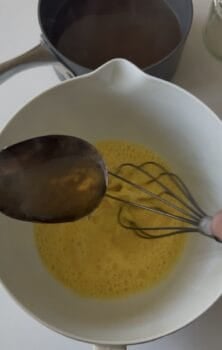
- With the bowl in one hand and a ladle in the other, slowly pour the warm broth into the egg mixture one spoonful at a time, whisking constantly. This is tempering – you're gradually raising the temperature of the eggs so they don't scramble when they hit the heat. Take your time here. Add the first few tablespoons very slowly, then gradually increase the stream as the egg mixture warms up.
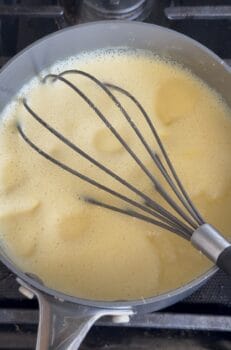
- Once all the broth is incorporated, pour the mixture into a small saucepan and set it over low heat. Stir constantly with a wooden spoon or silicone spatula until the sauce thickens slightly and coats the back of a spoon – about 3–4 minutes. It should never boil. If you see it starting to bubble, immediately pull it off the heat and stir vigorously.
- Season with salt and pepper, stir in the fresh dill, and set aside over the lowest possible heat (or off heat, covered – it will stay warm for 10–15 minutes).
Step 2: Prep the Salmon
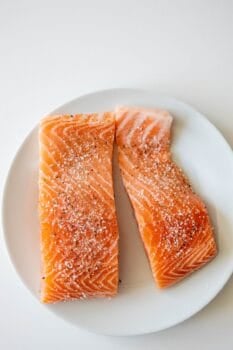
- Pat the salmon fillets completely dry with paper towels – this is the most important step for crispy skin. Any moisture on the surface will steam the fish instead of sear it. Season generously with salt and freshly cracked pepper on both sides.
- Let the salmon sit at room temperature for 10–15 minutes before cooking if you have time. Cold salmon straight from the fridge tends to cook unevenly, with the outside overdone before the center reaches temperature.
Step 3: Sear the Salmon
- Heat the olive oil in a heavy skillet (stainless steel or cast iron works best) over medium-high heat until shimmering – you want the pan properly hot before the fish goes in.
- Place the salmon fillets skin-side up into hot oil in a nonstick pan.
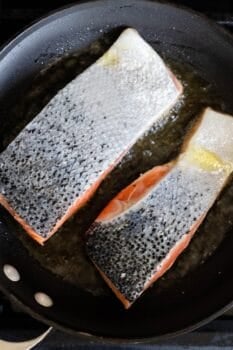
- Don't move the salmon. Let it cook undisturbed for 4–6 minutes. You'll know it's ready to flip when the fish releases easily from the pan and the flesh has turned opaque about halfway up the sides of the fillet.
- Flip the salmon and cook 2–4 minutes on the flesh side, depending on thickness, until just cooked through. For medium (the best texture), pull it at 125–130°F on an instant-read thermometer. For medium-well, aim for 130–135°F.
Step 4: Butter Finish
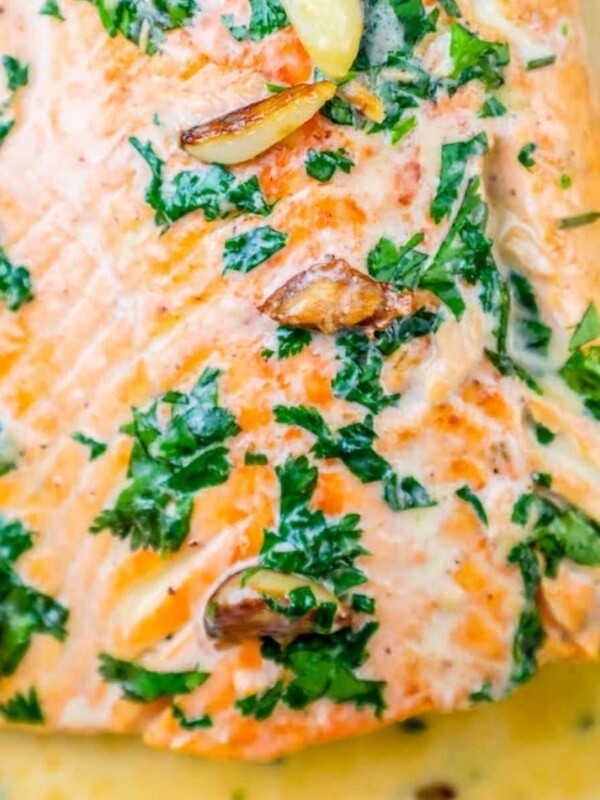
- Add the butter and smashed garlic cloves to the pan. Let the butter melt and foam, then tilt the pan and spoon the butter over the salmon repeatedly for about 30 seconds. This is called basting – it adds richness and keeps the fish moist as it finishes cooking.
- Remove the salmon to a plate and let it rest for 2–3 minutes.
Step 5: The Pan Drippings Trick
- Don't wash the pan yet. Pour off any excess oil, leaving the browned bits and any butter. Add 1 tablespoon of fresh lemon juice to the hot pan and stir with a wooden spoon to scrape up those caramelized bits. Stir this deglazing liquid into your avgolemono sauce – it adds depth and ties the salmon flavor into the sauce.
Step 6: Plate and Serve
- Spoon a generous pool of avgolemono sauce onto each plate. Set the salmon fillet on top, skin-side up to keep it crispy. Garnish with fresh dill, a squeeze of lemon, and lemon slices alongside. Serve immediately.
Video
Notes
- Make the avgolemono first – it can sit over a double boiler on the lowest heat while you cook the salmon. Do not let it boil or it will curdle.
- Pan drippings trick: after removing the salmon, pour off excess oil and deglaze the pan with 1 tablespoon of lemon juice. Stir those browned bits into the avgolemono at the end for extra depth.
- Dill vs. oregano: the original avgolemono sauce uses Greek oregano, but fresh dill pairs better with salmon. Use whichever you have or prefer.
- Broth swap: use fish stock or clam juice in place of chicken broth for a more seafood-forward sauce.
- Leftovers: avgolemono does not store well – make only what you’ll use. The salmon keeps for up to 3 days refrigerated; reheat gently.
Nutrition
Nutrition information is automatically calculated, so should only be used as an approximation.