This post contains affiliate links. Please read our disclosure policy.
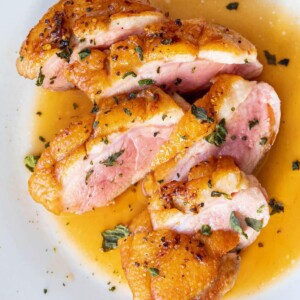
Duck Breast with Orange Sauce (Easy Method): Duck breast always felt like one of those “restaurant-only” dishes to me – it’s something you order on a special night out, but it never crossed my mind to make it at home. When I finally tried making duck breast, I realized it’s actually one of the easiest ways to make something that feels a little fancy without a lot of effort!
This Crispy Seared Duck Breast with Orange Sauce came through lots of testing – and it’s the duck recipe I come back to time and time again. The skin gets perfectly golden and crisp, the meat stays tender and juicy, and the orange sauce adds just the right balance of brightness to cut through the richness! I designed this recipe to be super simple, impressive, and it is honestly one of those recipes that makes you feel like you really know what you’re doing in the kitchen- even if it’s your first time cooking duck!


Don’t want all the extras in a recipe post? We provide a skip to recipe button in the top left corner, as well as a clickable table of contents, just below, to help make this page easier to navigate.
At Sweet C’s, I add lots of tips in all of my recipes – because I am a home cook without any formal training, and I find I am more confident making dishes when I understand why it works, and what each ingredient means to the flavor of a recipe. My goal is for even the most beginner home cook to feel empowered in the kitchen.
How to Make Crispy Seared Duck Breast and Orange Sauce
This dish is a delicious, easy dinner that is impressive to serve at a dinner party – low carb, easy to prepare, and it’s actually very budget-friendly!
Duck breast is perfect when medium rare – but some like their duck done slightly more so that it is not pink in the middle. You can cook your duck to your liking, depending on your preference.
Why Duck Breast Works So Well with Orange
Duck is naturally rich and slightly fatty, which pairs beautifully with the acidity and sweetness of orange. The citrus cuts through the richness and balances the dish, creating that classic flavor combination you often see in French cooking!
Duck Breast With Orange Sauce Recipe Ingredients
To make this recipe, you’ll need:
For the duck:
- Duck Breast – you can buy duck breast at most grocery stores. It will be darker red in color than other fowl meat, that is normal.
- Salt and Pepper – salt and pepper are critical to season the duck before it is seared in the pan.
For the orange sauce:
- Red Wine – I use a dry red wine for a spicy flavorful taste to our duck sauce.
- Chicken Stock – chicken stock is a flavorful basis for the sauce and gives it the proper consistency.
- Orange Juice- I use fresh squeezed orange juice for a fresh bright note in this duck sauce. It compliments the rich savory duck meat perfectly.
- Honey – honey adds sweetness to the sauce and balances the red wine flavor beautifully.
How to Cook Duck Breast (Step-by-Step)
Once you’ve gathered your ingredients, we will use the following method:
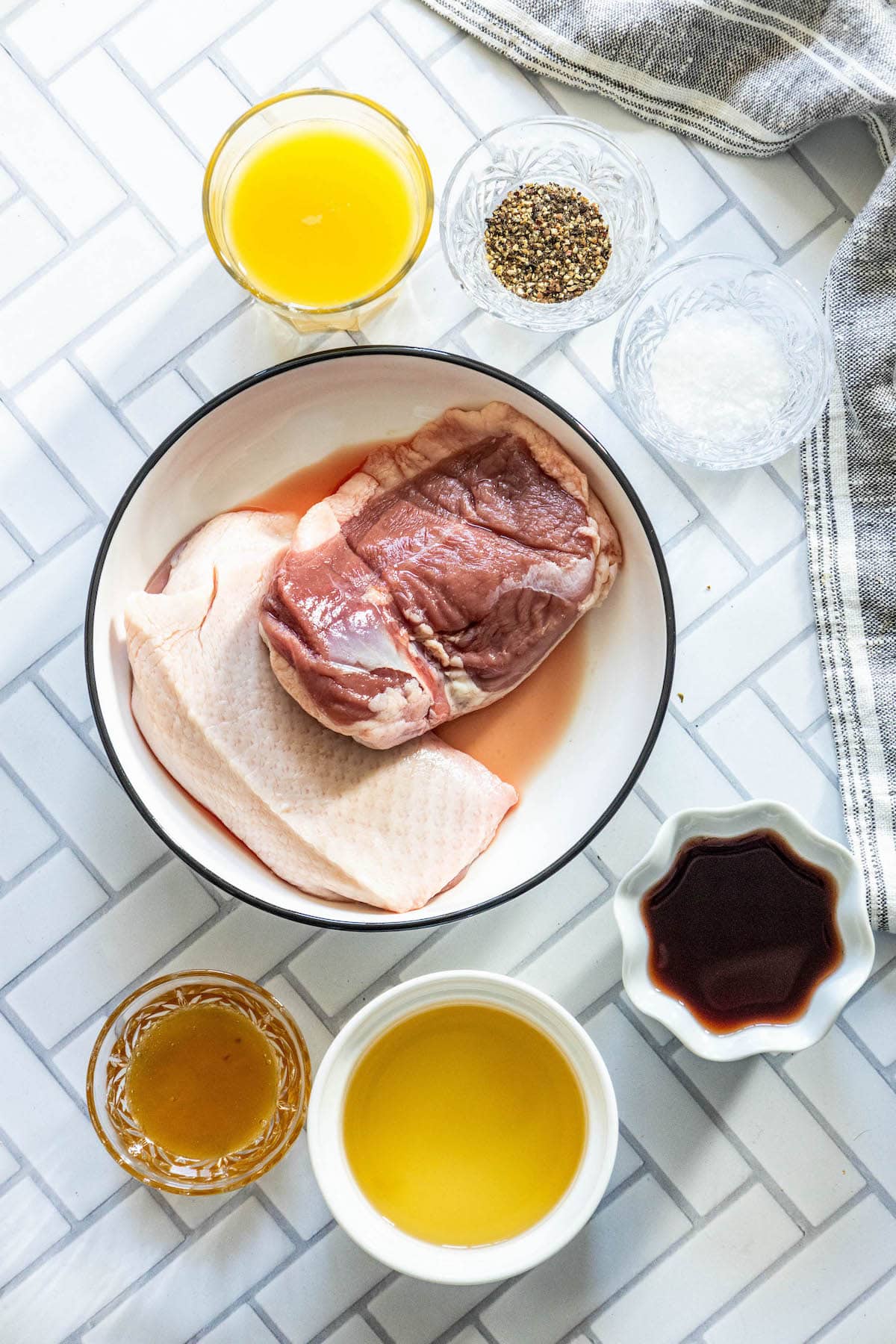
Score Fat
Score duck fat, making a grid shape along the fat, taking care to not cut through to the duck meat. Season well with salt and pepper.
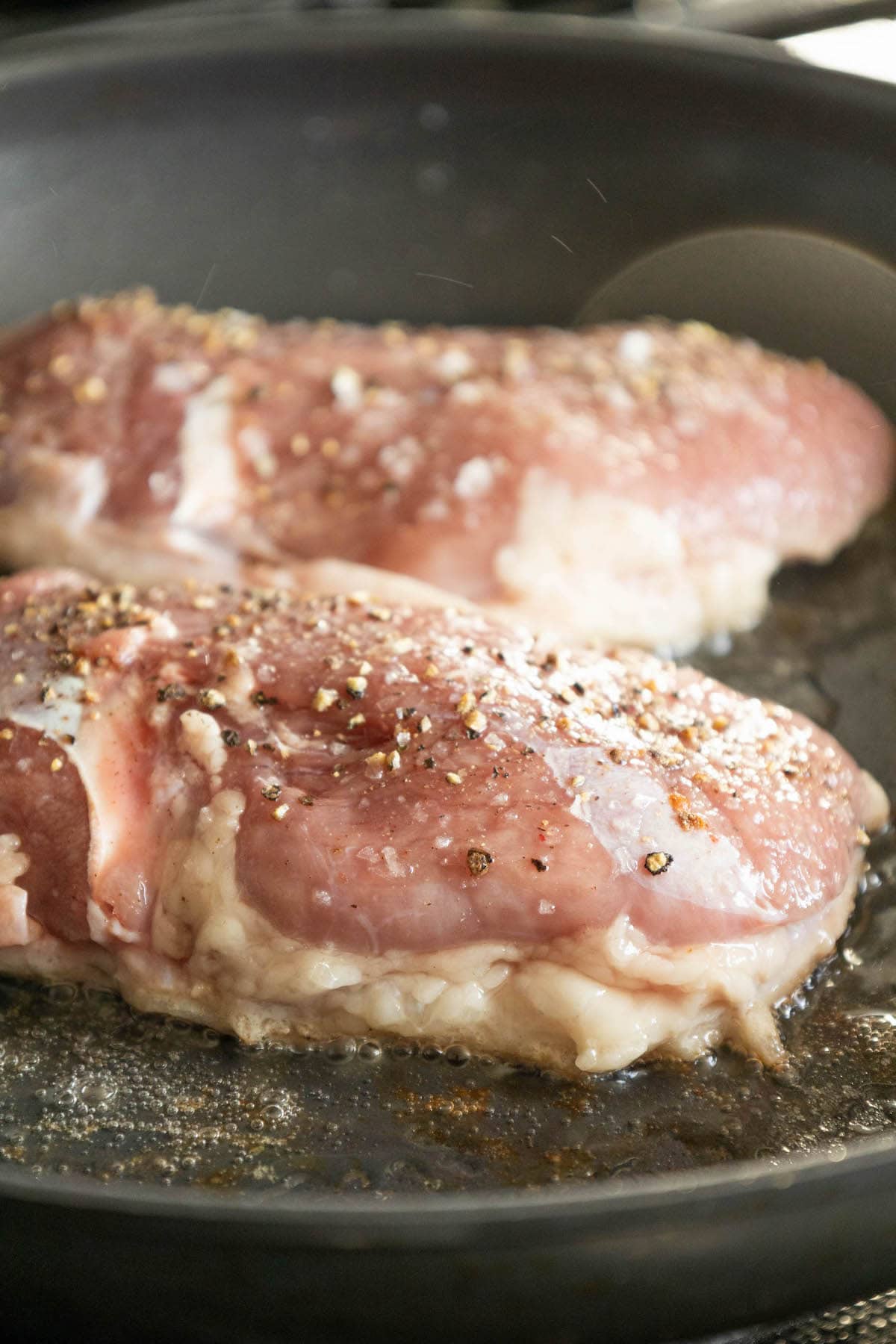
Sear Fat
Place duck, fat side down, in cold pan. Pan must absolutely be cold – do not preheat. Let fat reduce and crisp on medium-high heat, about 15-18 minutes, until golden brown and crispy.
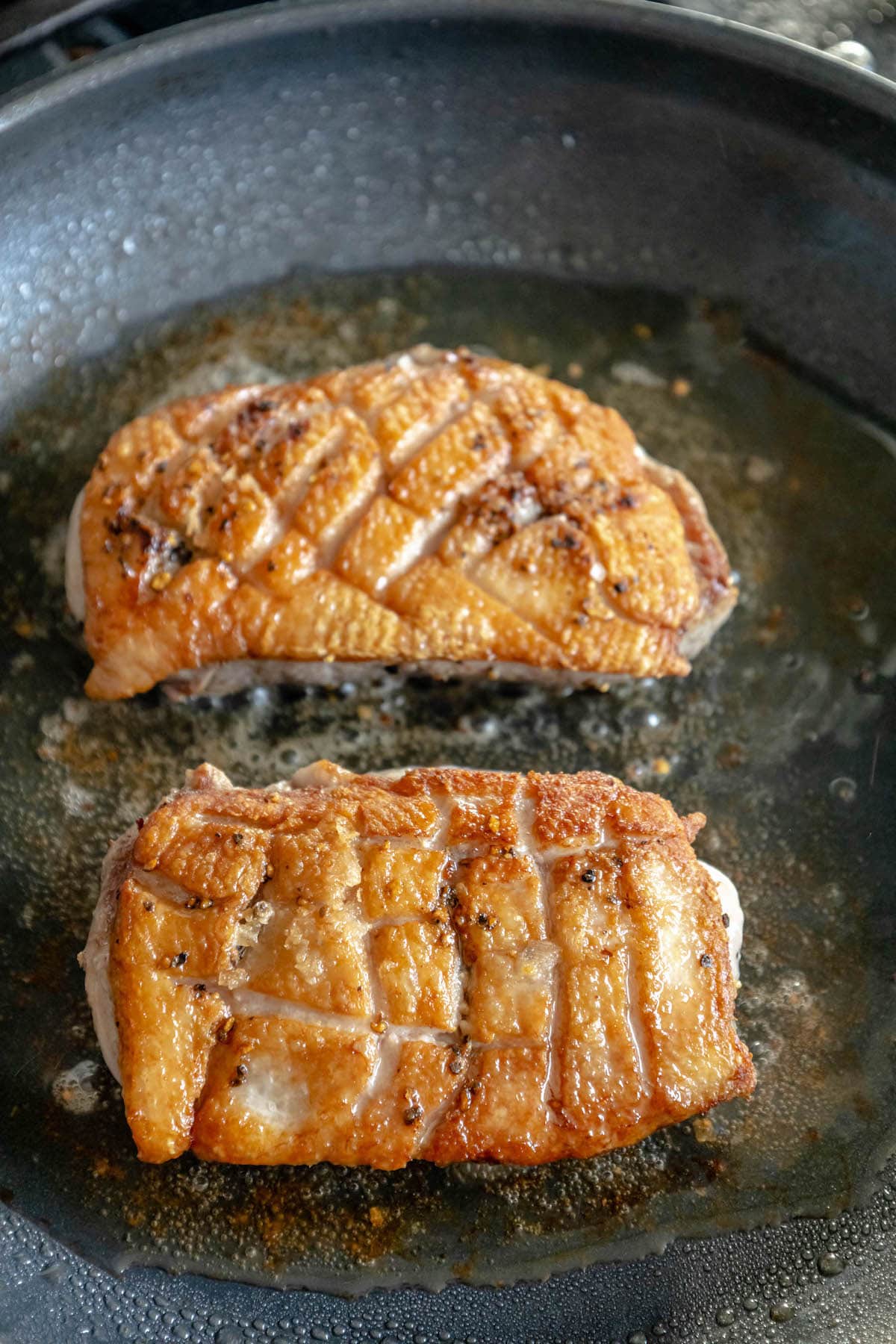
Cook Duck
Flip duck breast and cook through to medium rare, another 4-5 minutes.
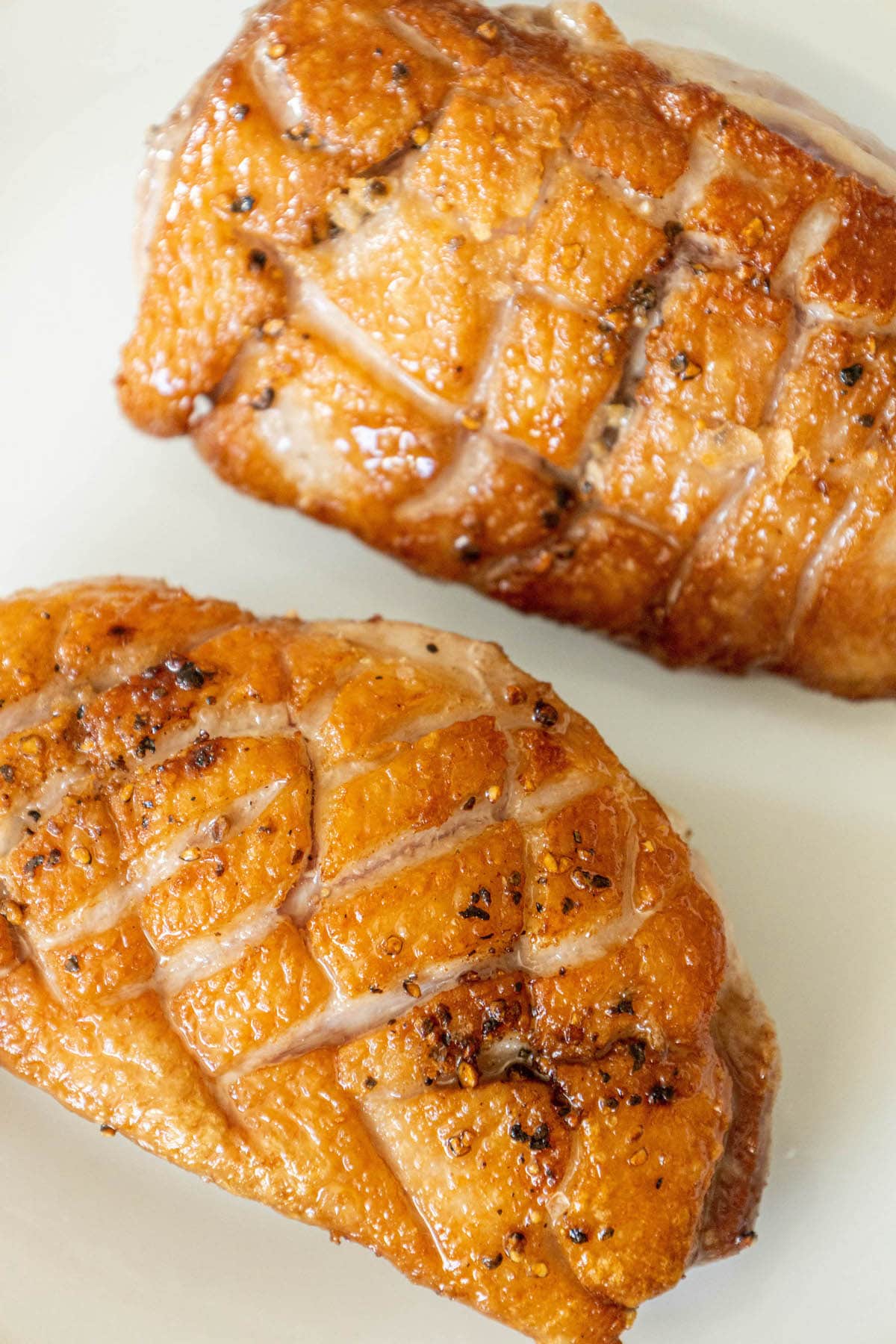
Rest & Make Sauce
Rest duck for at least 10 minutes, skin side up. While duck is resting, combine wine, stock, juice from 1 orange, and honey in a small pot. Bring to a boil, then reduce, stirring occasionally, until thickened and reduced, about 5 minutes.
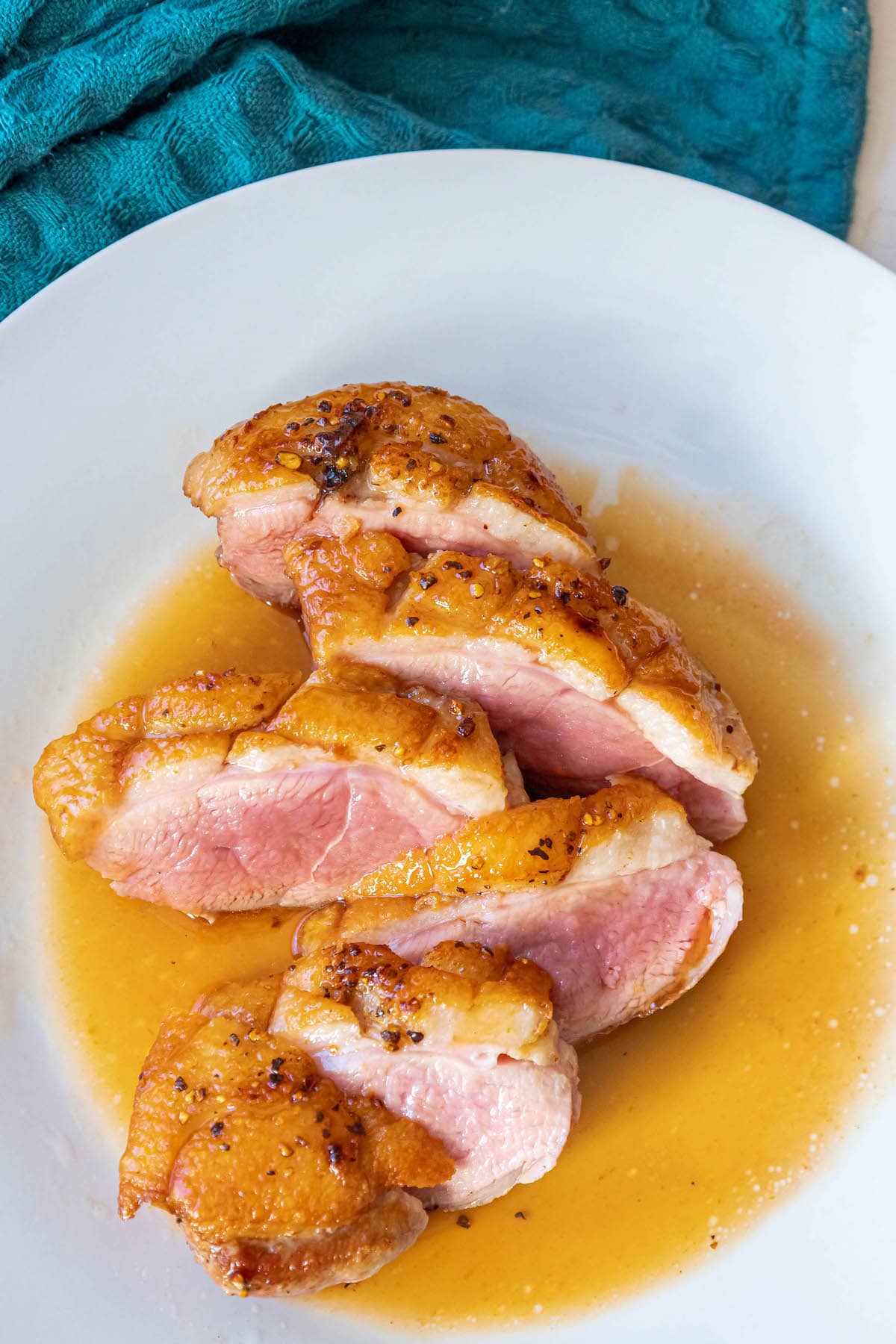
Slice & Serve
Slice duck in thin slices and top with orange sauce. Serve and enjoy!
How to Cook Duck Like a Pro
The secret to perfect duck, every time:
- Score the skin carefully without cutting into the meat.
- Start in a cold pan to slowly render fat.
- Cook skin-side down longer for maximum crispiness.
- Drain excess fat as it renders.
- Rest the duck before slicing to keep juices inside.
- Slice against the grain for tender bites.
Start searing in cold pan. Don’t add duck to warm pan – searing duck in a cold pan gives the duck fat more time to fully render, so it can crisp up better, and more completely. This also allows for the duck meat to stay tender and juicy!
Score fat. Scoring fat gives more surface area for the fat to render fully, so it can get extra crispy and crunchy. If you can see the duck meat through your scoring you’ve scored too deeply – but you do need to score fully to get a good, crispy sear on the fat.
Don’t discard duck fat. Duck fat is liquid gold – don’t toss it! We love to fry potatoes in it!
Know duck temperatures. For medium rare duck, cook to 130 degrees F. For medium, 140; and for closer to well, 155 F.
How to Get Crispy Duck Skin Every Time
Crispy duck skin is what makes this dish feel like it is restaurant-quality, and it’s easier than you think!
- Score the skin in a crosshatch pattern (don’t cut into the meat)
- Start in a cold pan so the fat renders slowly
- Cook skin-side down longer (about 70–80% of total cook time)
- Drain excess fat as it renders to help crisping
- Finish with a quick high-heat sear if needed
The key for this recipe is patience – slow rendering creates that golden, crackly skin.
How to Render Duck Fat Properly
Rendering duck fat is the secret to both crispy skin and juicy meat.
- Use medium to medium-low heat to slowly melt the fat.
- Avoid rushing, too much heat burns the skin before fat renders.
- Spoon off excess fat as it accumulates.
- Save duck fat! It’s incredible for roasting potatoes or vegetables.
Properly rendered fat gives you crisp skin without greasy texture.
Best Internal Temperature for Duck Breast
Duck breast is best served slightly pink for maximum tenderness.
- Medium-rare: 130–135°F
- Medium: 135–140°F
- Well done: 150°F+ (less recommended for texture)
Unlike chicken, duck is safe and best enjoyed not fully cooked through, similar to steak.
How to Balance Orange Sauce for Duck
The perfect orange sauce should balance sweet, acid, and richness.
- Use fresh orange juice for brightness
- Add a touch of honey or sugar for sweetness
- Include a splash of vinegar or citrus zest for acidity
- Finish with butter for a silky texture
Make Ahead + Reheating Tips
This balance cuts through the richness of duck and keeps the dish from feeling heavy.
Duck is best fresh, but you can prep parts ahead:
- Make the orange sauce in advance and reheat gently.
- Score and season duck up to a few hours ahead.
- Store leftovers up to 2 days in the fridge.
Reheating tip:
Reheat gently in a skillet over low heat to avoid overcooking. Avoid microwaving if possible.
How to Slice Duck Breast Properly
Slicing duck correctly makes a big difference in texture.
- Let duck rest 5-10 minutes after cooking.
- Slice against the grain into thin pieces.
- Use a sharp knife for clean cuts.
This keeps the meat tender and helps preserve the juices so your duck doesn’t dry out.
What to Serve With Crispy Seared Duck Breast
Duck pairs beautifully with both rich and fresh sides:
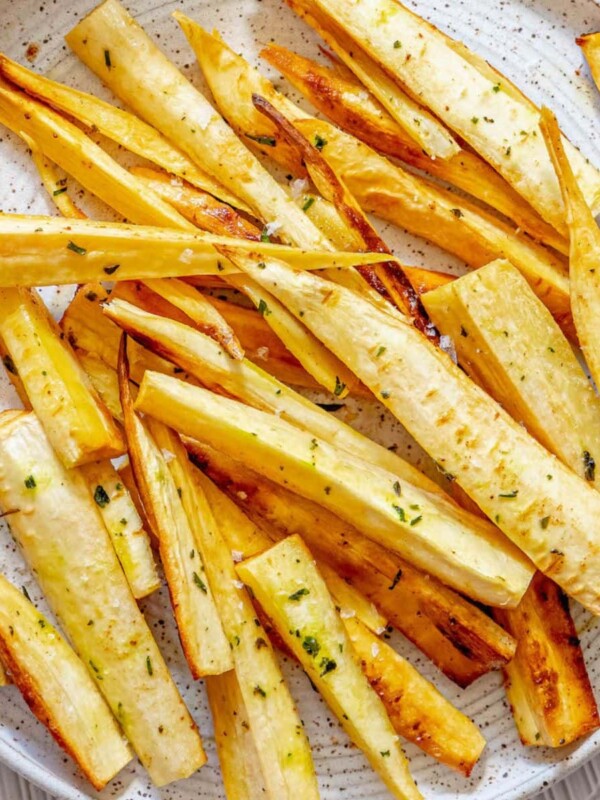
Roasted potatoes or duck fat potatoes
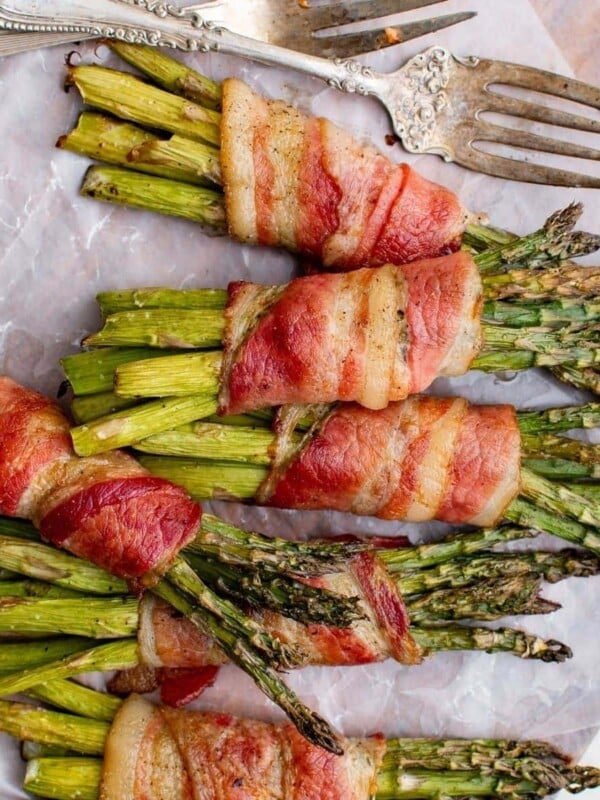
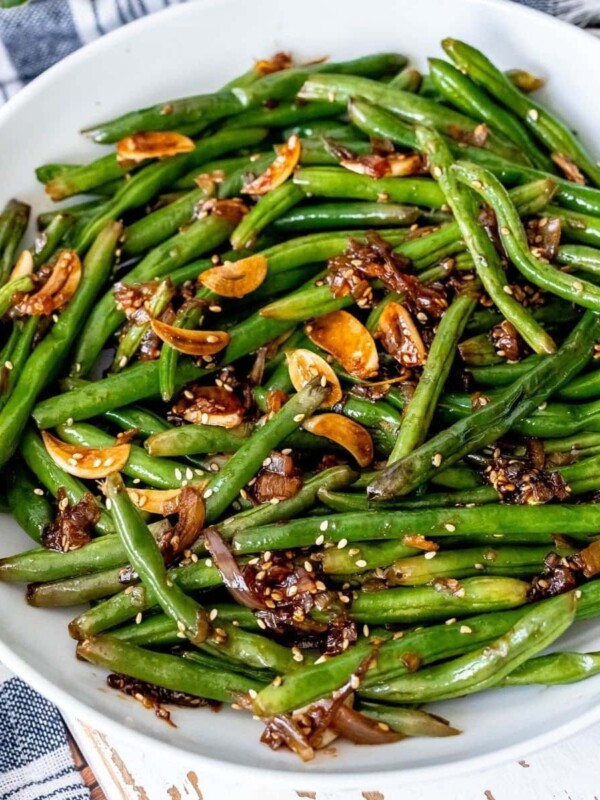
Garlic green beans or asparagus
Creamy mashed potatoes
Simple arugula or citrus salad
Rice or risotto
For a full meal, combine something creamy + something fresh to balance the richness.
If you love this easy recipe please click the stars below to give it a five star rating and leave a comment! Please also help me share on Instagram, Facebook, and Pinterest!
Share on Facebook
SharePin this now to find it later
Pin ItFollow on Instagram
Only have 30 minutes to get dinner on the table? Sign up for my 30 minute dinner plans direct to your inbox!
Find and shop my favorite products in my Amazon storefront here!
Crispy Seared Duck Breast With Orange Sauce
Ingredients
- 2, 1 lb. duck breasts
- salt, to taste
- pepper, to taste
- 1 cup red wine, dry
- 1 cup chicken stock
- juice of 1 orange
- 2 tablespoons honey
Instructions
- Score duck fat, making a grid shape along the fat, taking care to not cut through to the duck meat. Season well with salt and pepper.
- Place duck, fat side down, in cold pan. Pan must absolutely be cold – do not preheat.
- Let fat reduce and crisp on medium-high heat, about 15-18 minutes, until golden brown and crispy.
- Flip duck breast and cook through to medium rare, another 4-5 minutes.
- Rest duck for at least 10 minutes, skin side up. Drain fat, but do not discard – save for frying potatoes later!
- While duck is resting, combine wine, stock, juice from 1 orange, and honey in pan, scraping up any browned bits. Bring to a boil, then reduce, stirring occasionally, until thickened and reduced, about 5 minutes.
- Slice duck in thin slices and top with orange sauce.
- Serve and enjoy!
Notes
- Score the skin carefully: Use a sharp knife to lightly score the fat in a crosshatch pattern without cutting into the meat. This helps the fat render and creates crispy skin.
- Start in a cold pan: This is key. Placing duck breast skin-side down in a cold pan allows the fat to slowly render, giving you that golden, crispy finish.
- Cook skin-side down longer: About 70-80% of the cooking time should be on the skin side for maximum crispiness.
- Drain excess fat as it cooks: Spoon off rendered fat to help the skin crisp instead of frying in too much fat (and save it-it’s amazing for potatoes!).
- Don’t overcook: Duck breast is best at medium-rare to medium (130-140°F). Overcooking can make it tough.
- Rest before slicing: Let the duck rest 5–10 minutes so the juices redistribute and stay in the meat.
- Slice against the grain: This keeps the duck tender and easy to eat.
- Use fresh orange juice for the sauce: It makes a huge difference in flavor compared to bottled.
Nutrition
Nutrition information is automatically calculated, so should only be used as an approximation.
Duck Breast FAQs
Duck breast is best served medium to medium-rare (130-140°F), but you can cook it longer if preferred.
Many people think that duck is safer to eat than other poultry, but it can still carry microorganisms if not cooked to 165 degrees. It is not as risky as other poultry, but there is still risk – so cook as thoroughly as you prefer.
Leftovers can be stored in the refrigerator in an airtight container for up to four days. Always reheat fully when serving.
Score the skin, start cooking in a cold pan, and render the fat slowly. This allows the skin to become golden and crispy without burning.
Yes. Scoring helps the fat render and prevents the skin from shrinking while cooking.
Duck is best freshly cooked, but you can prepare the sauce ahead and reheat gently.
Garlic dill potatoes, asparagus, rice, or a fresh salad all pair well.
Duck is richer than chicken, with a slightly beef-like flavor and a buttery texture.






This doesn’t look in the picture like it has any wine in ? I’ve just done the ingredients for the sauce and it’s red not yellow?
The type of wine and freshness of the orange juice can affect the sauce color.
I don’t understand. You said red wine and my sauce is red and I lost the orange flavor. Did you use white wine?
Did you use dry or sweet red wine? I always use dry which shouldn’t take away from the orange, but sweet wine will lose it for sure.